
نرده محافظ جاده به سبک پکن
نرده های حفاظ جاده ای به سبک پکن به شکل حروف N ...

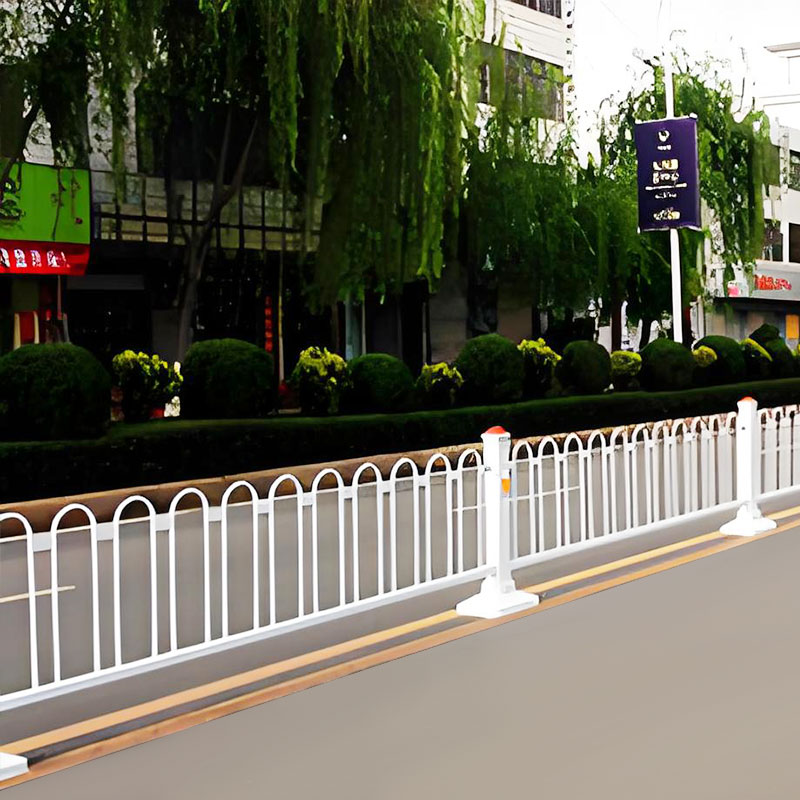
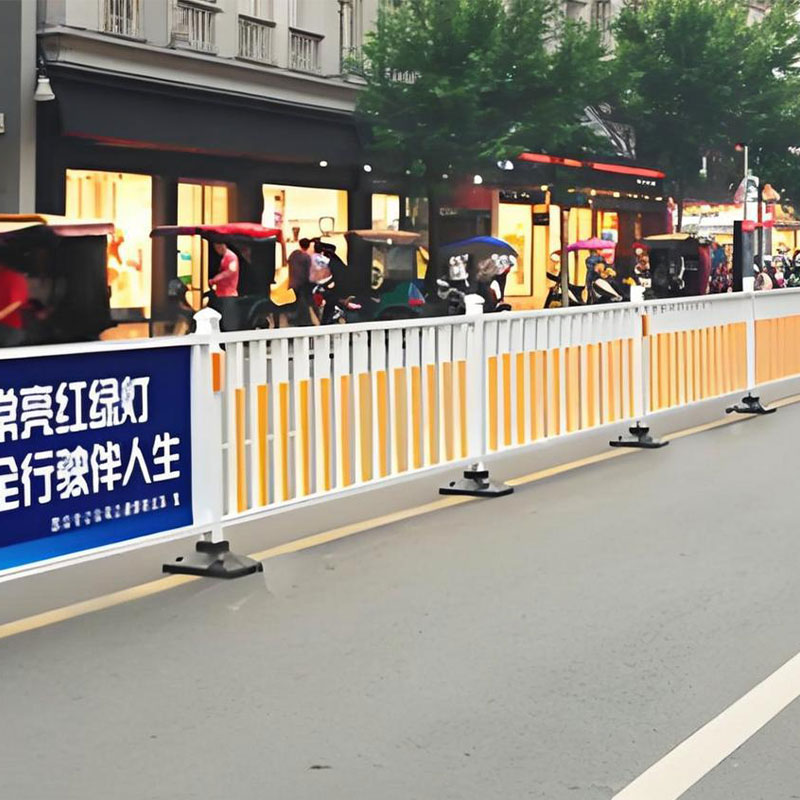
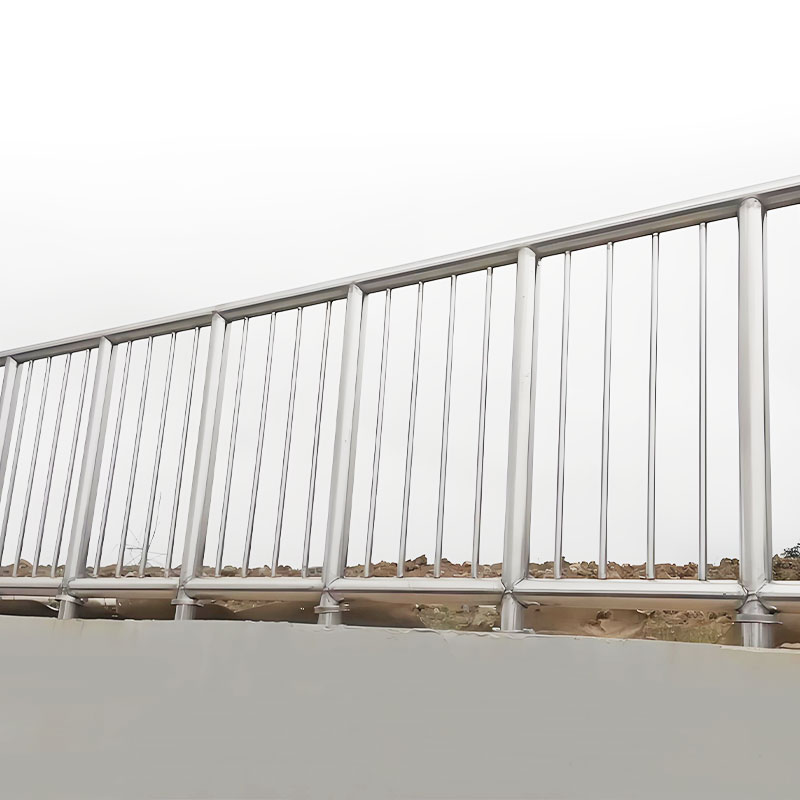
حفاظ های جاده ای از جنس استنلس استیل تجهیزات ای...
حفاظ جاده ای یک مرکز مهم ترافیکی است که برای ایمنی جاده طراحی شده است که عمدتاً برای محافظت از رانندگان، مسافران و عابران پیاده در برابر آسیب در صورت تصادف استفاده می شود. از خروج وسایل نقلیه از خط جلوگیری می کند و از طریق ایزوله و حفاظت موثر، به ویژه در پیچ ها، پل ها، تونل ها، شیب های تند و سایر بخش های مستعد تصادفات رانندگی، خطر برخورد بین وسایل نقلیه و سایر اشیاء را کاهش می دهد و حفاظت موثری را ارائه می دهد. به عنوان بخشی از زیرساخت های حمل و نقل مدرن، گاردریل های جاده نقش حیاتی در بهبود ایمنی جاده ها و کاهش شدت تصادفات رانندگی دارند.
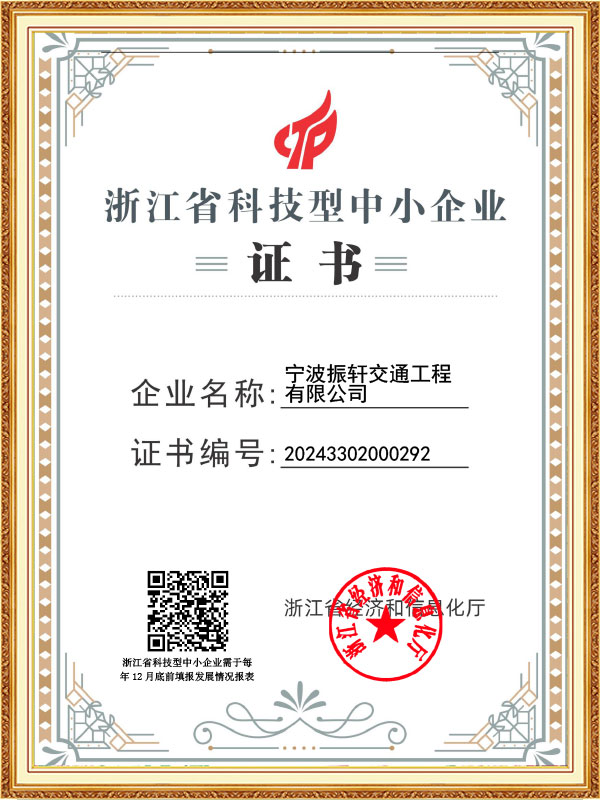
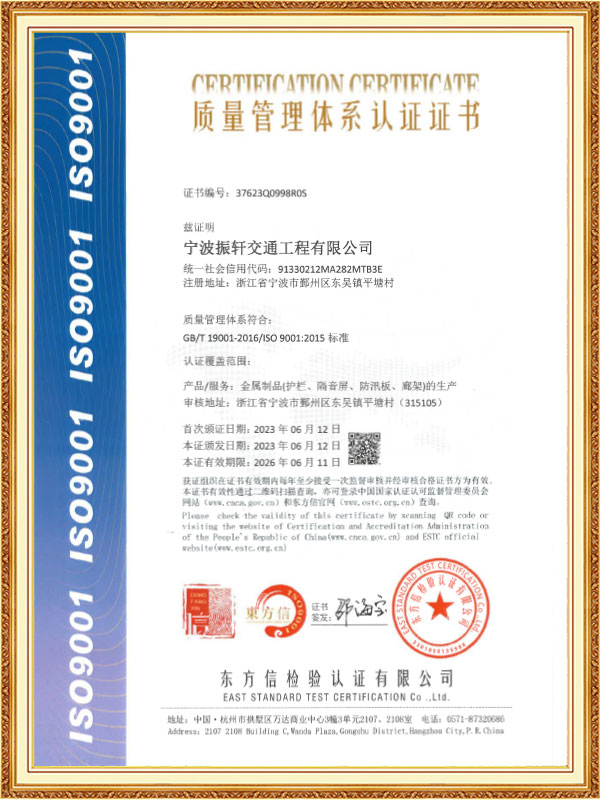
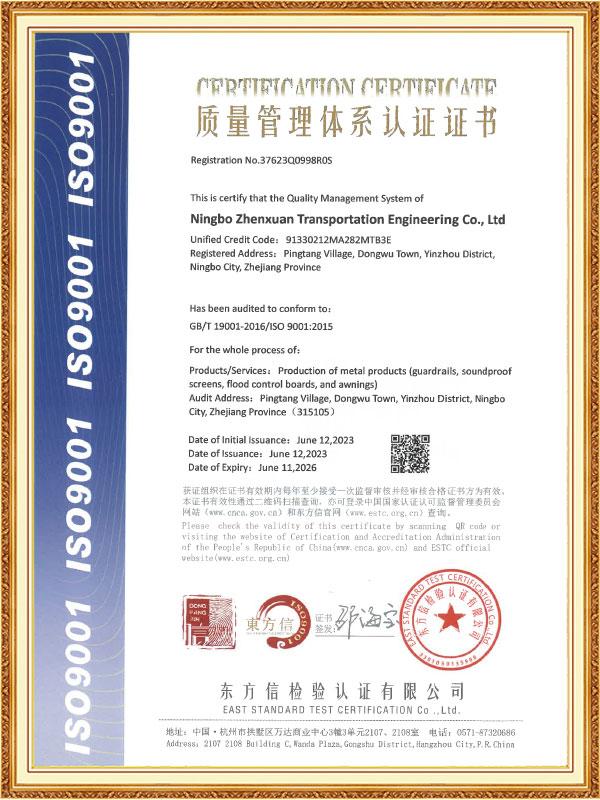
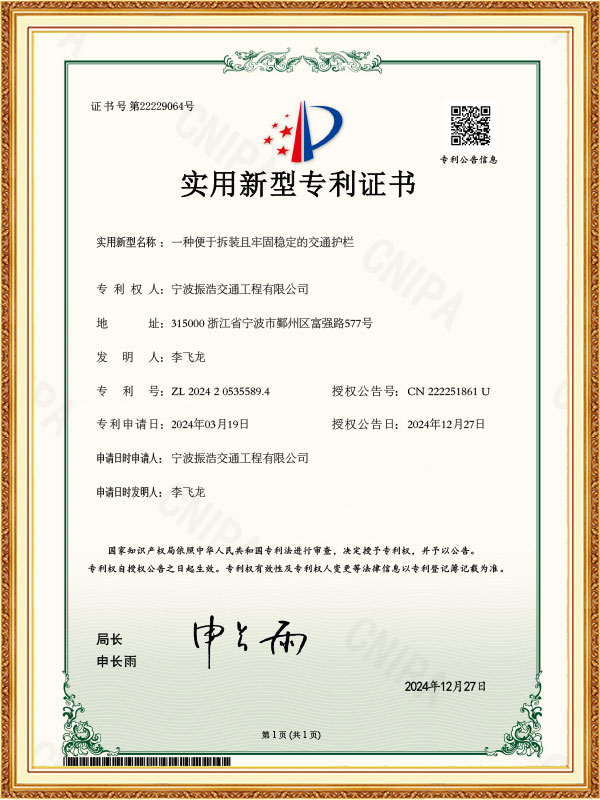
Ningbo Zhenhao Traffic Engineering Co., Ltd. یک تولید کننده بزرگ حرفه ای است که مسئول طراحی، تولید و فروش مجموعه ای از ریل های محافظ، ریل های محافظ و صفحه های عایق صدا با سرعت بالا است. این شرکت متکی به تجهیزات تولید تخته محافظ با سرعت بالا است، کیفیت تولید مطابق با استانداردهای ملی است و طراحی محصول با استفاده از سیستم ترسیم طراحی به کمک کامپیوتر CAD CATIA 2D 3D که مطابق با استانداردهای فنی ملی است، انجام می شود و در یک فرآیند تولید از روش تولید استاندارد شده کاملاً اتوماتیک، با دقت بالا و سرعت سریع استفاده می شود. تجهیزات جامع تولید، فناوری تولید پیچیده و یک سیستم آزمایشی دقیق، کیفیت محصولات ژنهائو را ثابت نگه داشته است.
مردم Zhenhao به این اصل پایبند هستند که "کیفیت زندگی توسعه شرکت است، خدمات پایه و اساس شرکت است." با هدایت اصل "تعالی، توسعه مستمر و کمال" و همگامی با زمان، طراحی و تولید، فروش و خدمات، مد و نوآوری، شخصیت و انسانیت کاملاً ادغام شدهاند، بنابراین وضعیت بازار خوشخیم با ویژگیهای ژنهائو شکل میگیرد.

سیستمهای گاردریل جادهای به کاهش شدت تصادفات بزرگراهها ادامه میدهند سیستمهای حفاظ راه، یکی از مهمترین فناوریهای ایمنی کنار جادهای هستند که در زیرساختهای حملونقل مدرن مورد استفاده قرار میگیرند. نرده های محافظ با طراحی مناسب به جلوگیری از خروج وسایل نقلیه از جاده، کاهش شدت برخورد...
READ MOREبراکتهای نصب خورشیدی قابل اعتماد برای نصب ایمن براکت های نصب خورشیدی اجزای ضروری برای نصب پنل های خورشیدی پایدار و کارآمد هستند. آنها پشتیبانی ساختاری را فراهم می کنند، زوایای بهینه را برای قرار گرفتن در معرض نور خورشید حفظ می کنند و اطمینان می دهند که پانل ها تحت ش...
READ MOREحصار محیطی سایت: کلید ایمن سازی هر گونه اموال حصار محیطی مستحکم برای حفاظت از اموال، کنترل دسترسی و جلوگیری از ورود غیرمجاز ضروری است. این به عنوان اولین خط دفاعی برای مکان های صنعتی، تجاری و مسکونی به طور یکسان عمل می کند. با نصب یک حصار قوی و برنامه ریزی شده، صاحبان املا...
READ MOREگاردریل های ترافیکی برای ایمنی جاده ها و کاهش تصادفات ضروری هستند گاردریل های ترافیکی با تغییر مسیر وسایل نقلیه و جلوگیری از خروج آنها از جاده یا برخورد با موانع خطرناک، نقش مهمی در کاهش شدت تصادف ایفا می کنند. سیستمهای حفاظی که بهدرستی طراحی و نصب شده باشند، میتوانند به میزا...
READ MOREHow Does the Road Guardrail System Serve as the Primary Line of Defense for Traffic Safety and Accident Mitigation?
The Road/Highway Guardrail is a silent sentinel of modern transportation infrastructure, recognized globally as an important traffic facility whose existence is purely predicated on passive safety. Its primary, non negotiable function is a humanitarian one: to protect drivers, passengers and pedestrians from injury in the event of a severe traffic accident. These installations transcend the simple notion of a barrier; they are complex, dynamic systems engineered to manage and dissipate kinetic energy under immense duress. By providing effective isolation and protection, the guardrail system acts as the critical buffer between a runaway vehicle and potentially hazardous off road conditions or oncoming traffic.
The most vital role of the Road Guardrail is kinetic containment. When a vehicle loses control, the guardrail instantly engages in a controlled deformation process. This process has two key outcomes: first, it prevents vehicles from driving out of the lane, which is essential to stopping catastrophic rollovers or collisions with fixed objects like bridge abutments, utility poles, or trees. Second, and equally critical, the deformation process is designed to decelerate and redirect the vehicle, a mechanism that reduces the risk of collision with other vehicles or obstacles in a way that minimizes impact forces on the vehicle’s occupants, thus reducing the severity of traffic accidents. This energy absorption system is meticulously calculated to achieve redirection without causing the vehicle to spin violently or become unstable upon exiting the rail.
Engineering for High Risk Zones
The strategic placement of guardrails is concentrated on sections prone to traffic accidents, where the consequences of leaving the roadway are most severe. These critical infrastructure points demand specialized and enhanced systems to ensure effective protection.
Curves and Sharp Turns: On tight curves, centrifugal force increases the likelihood of a vehicle drifting off the road. Guardrails in these sections are crucial for capturing the vehicle and guiding it along the path of the curve, preventing an immediate exit into steep embankments or heavily forested areas.
Bridges and Overpasses: These elevated structures represent high risk due to the sheer drop off. Guardrails on bridges must adhere to the most rigorous standards, often utilizing higher containment levels to ensure that heavy goods vehicles do not breach the barrier, which would result in serious consequences for both the vehicle occupants and any traffic below.
Tunnels and Confined Spaces: Within tunnels, guardrails provide essential effective isolation and protection from the rigid tunnel walls and oncoming traffic. The lack of run-off space means the rail must be highly effective in redirection while maintaining low deflection to protect the integrity of the tunnel structure itself.
Steep Slopes and Embankments: Guardrails along steep slopes prevent vehicles from rolling down grade, which is a major contributor to severe injury. The guardrail must be securely anchored in these challenging soil conditions to withstand the load and ensure the system maintains its performance characteristics.
In all these scenarios, the presence of the Road Guardrail is the difference between a minor incident and a serious injury. The physical barrier is engineered to sacrifice itself for the occupants, ensuring that the necessary kinetic energy is managed outside the vehicle cabin.
Performance Metrics: Containment and Deceleration
The performance of a Road Guardrail is quantified by several international standards, which assess two primary factors: containment level and occupant risk.
Containment Level: This defines the largest and heaviest vehicle the guardrail can successfully contain and redirect. Standards classify guardrails from low containment for passenger cars to very high containment for fully loaded tractor trailers. Selecting the right containment level is a major factor in improving road safety across different road types, from rural roads to high volume highway lanes.
Working Width and Deflection: When a vehicle strikes the guardrail, the system absorbs energy by deflecting laterally. The maximum distance the rail moves under impact is called the working width. Minimizing this deflection is paramount in areas like bridges or narrow medians where available space is limited, ensuring the rail does not intrude into opposing traffic lanes or strike a fixed object behind it.
The structural design, particularly the common W Beam Guardrail, is optimized to distribute impact forces over a wide surface area of the vehicle. The W shape provides a critical stiffening mechanism that resists deformation, while the posts, anchored deeply into the ground, provide the necessary support to absorb and redistribute the energy of the impact, thus providing vital effective protection for drivers, passengers and pedestrians from injury. This dedication to design minimizes the risk that the rail will rupture or create dangerous sharp edges after impact.
The consistent provision of this sophisticated, life saving modern transportation infrastructure requires a relentless commitment to production quality meets national standards across all components, from the beams to the bolts. This industry is driven not by aesthetics, but by the highest level of proven engineering safety.
What Material Science and National Standards Guarantee the Structural Integrity and Long Term Protection Provided by Highway Guardrails?
The reliability of a Road Guardrail as an important traffic facility depends entirely on the material science employed and the rigorous national standards governing its design, production and sales. A guardrail must stand exposed to the harshest environmental elements for decades without material degradation compromising its ability to manage massive impact forces. Therefore, the selection of high efficiency materials and advanced manufacturing processes is not just a matter of cost, but a matter of public safety.
The Material Imperative: Steel and Hot Dip Galvanizing
The vast majority of Road Guardrails, including the widespread W Beam Guardrail, are fabricated from high strength steel. Steel provides the necessary tensile strength and inherent ductility to deform gradually and absorb energy during a traffic accident without fracturing. However, raw steel is highly susceptible to corrosion, which would rapidly degrade its structural capacity and render it useless for effective protection.
The solution to this environmental challenge is Hot Dip Galvanizing. This process involves submerging the fully fabricated steel component, posts, beams, and blockouts, into a bath of molten zinc. The resulting coating is not merely painted on; it is a metallurgically bonded layer that provides dual protection:
Barrier Protection: The zinc coating forms a durable, impervious barrier that prevents moisture and oxygen from reaching the underlying steel.
Sacrificial Protection: If the coating is scratched or damaged, the surrounding zinc acts as a sacrificial anode, corroding preferentially to protect the exposed steel beneath.
This HDG process guarantees that the Highway Guardrail maintains its structural integrity and durability for 25 years or more, ensuring long term stable operation throughout the modern transportation infrastructure. This is non negotiable, as diminished rail thickness due to rust directly reduces the capacity of the rail to successfully prevent vehicles from driving out of the lane.
Manufacturing Precision and Quality Control
The physical act of manufacturing Highway Guardrails requires specialized machinery and exacting tolerances. Components must align perfectly in the field, often under rapid deployment conditions, and any misalignment can introduce stress points or reduce the energy absorbing capacity of the system.
Companies specializing in the production and sales of these systems must achieve extreme consistency. For example, professional operations, like Ningbo Zhenhao Traffic Engineering Co., Ltd., which operates as one of the key China W Beam Guardrail Manufacturers and Highway Guardrail Suppliers, rely on large scale, industrial precision. Their use of high-speed guard board production equipment ensures that the critical W shape is rolled and punched uniformly across thousands of kilometers of highway. Furthermore, every aspect of the product design is carried out using a computer, which translates complex engineering models directly into precise manufacturing specifications, ensuring the finished Road Guardrail provides reliable support and protection exactly as modeled for crash testing. This dedication confirms that their production quality meets national standards required for the public domain.
The Role of National and International Safety Standards
In the industry of road safety, a product's compliance is paramount. Highway Guardrails are rigorously tested against national and international standards like the American Association of State Highway and Transportation Officials, AASHTO, Manual for Assessing Safety Hardware, MASH, or the European Standard, EN 1317. These standards mandate full scale crash testing with various vehicle types, weights, and impact angles.
The key tests verify:
Structural Integrity: That the guardrail contains and redirects the vehicle without rupture.
Occupant Safety: That the vehicle’s occupants are subjected to acceptable deceleration forces, measured by the speed at which the vehicle changes direction and the maximum impact severity. This is crucial for reducing the severity of traffic accidents.
Post Impact Trajectory: That the vehicle exits the rail in a stable manner and at a shallow angle, reducing the risk of collision with other traffic after the initial impact.
Adherence to these national standards is the only way to certify that the Road Guardrail will perform its duty to protect drivers, passengers and pedestrians from injury. It provides the legal and functional assurance that the installed system is truly providing the maximum effective protection available in modern transportation infrastructure.
The Future of Guardrail Technology
The evolution of the Road Guardrail is moving towards smarter, more forgiving, and context sensitive solutions:
Smart Guardrails: Integrating sensor technology to detect a vehicle strike and instantly alert emergency services or traffic management centers, thereby improving road safety response times, especially in remote sections prone to traffic accidents.
Energy Absorbing Terminals: Continuously improving the design of end treatments, which are the most critical points of the guardrail system, to ensure that they safely absorb energy and contain vehicles at the beginning of the run without spearing or impalement.
Cable Barrier Systems: Increased deployment of cable barriers in medians, which offer superior effective isolation and protection by capturing and decelerating vehicles very gradually, often resulting in an even lower injury severity index than traditional W Beam systems.
The Road Guardrail remains the simplest yet most effective solution for achieving long term stable operation of safety on the road network. Its success is a testament to materials science and engineering rigor, guaranteeing that the modern transportation infrastructure offers a reliable sanctuary when circumstances take a dangerous turn.
تماس با ما
Add:شماره 577 جاده فوچیانگ، خیابان پانهو، منطقه یینژو، شهر نینگبو، استان ژجیانگ
Email: [email protected]
Telephone: +86-18058271903
Phone: +86 0571-28284189
شرکت مهندسی ترافیک Zhenxuan یک تولید کننده بزرگ حرفه ای است که مسئول طراحی، تولید و فروش مجموعه ای از ریل های محافظ، ریل های محافظ و صفحه های عایق صدا با سرعت بالا است.

+86-18058271903