
حصار استادیوم مونتاژ شده
حصار استادیوم مونتاژ شده یک سیستم نرده طراحی شد...

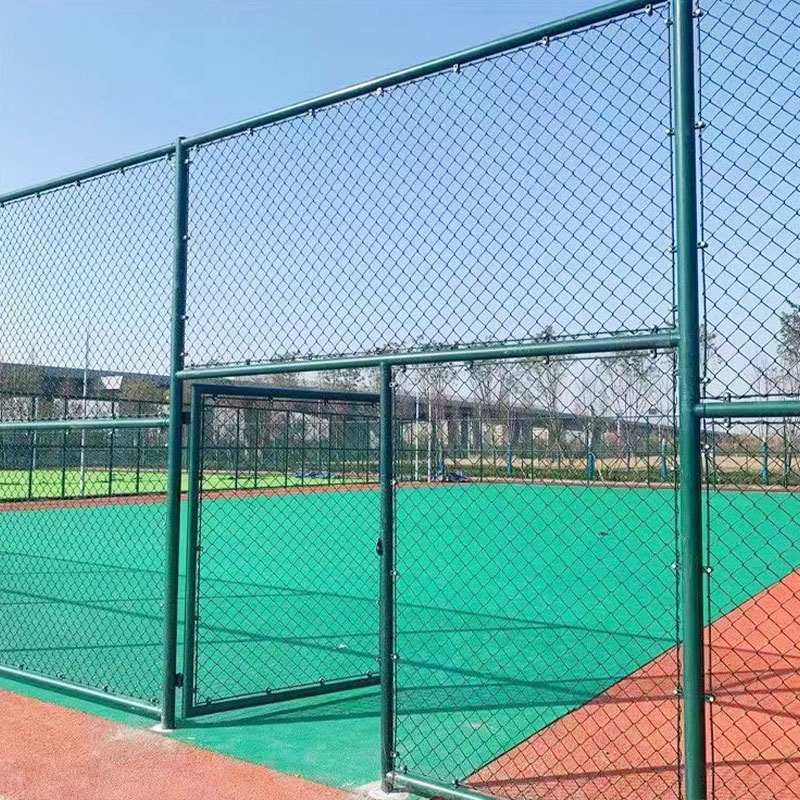
حصار استادیوم یک راه حل ایزوله ایمنی است که برای مکان های ورزشی طراحی شده است و به طور گسترده در استادیوم ها، زمین های ورزشی، مکان های مسابقه و مکان های دیگر استفاده می شود. این ساختار مشبک فلزی با استحکام بالایی دارد که نه تنها می تواند به طور موثر منطقه بین تماشاگران و ورزشکاران و تجهیزات مسابقه را ایزوله کند، بلکه ایمنی مکان و تجربه تماشای تماشاگران را تضمین می کند. این سری از محصولات با طراحی مستحکم و بادوام خود ایمنی پرسنل را در طول بازی تضمین می کند و از ورود افراد غیرمجاز به سالن جلوگیری می کند و کارایی مدیریت رویداد را بهبود می بخشد.
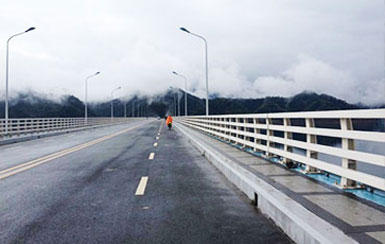
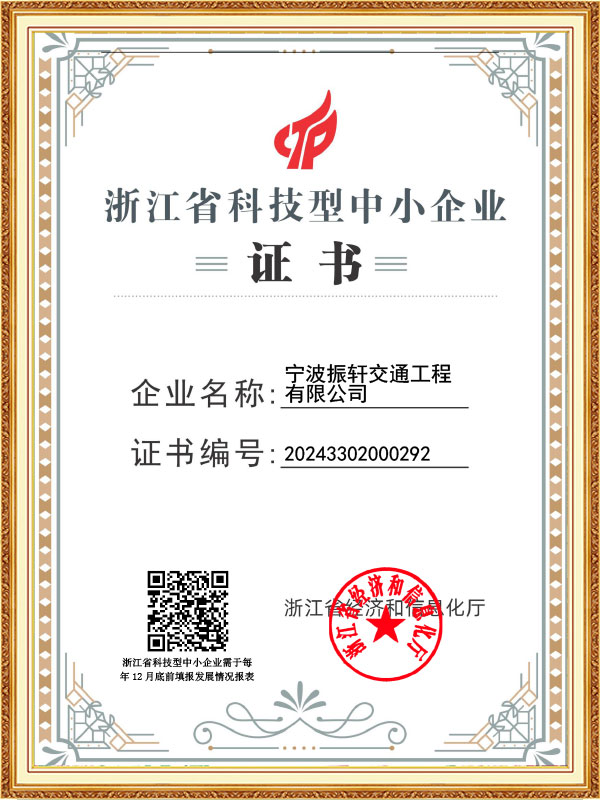
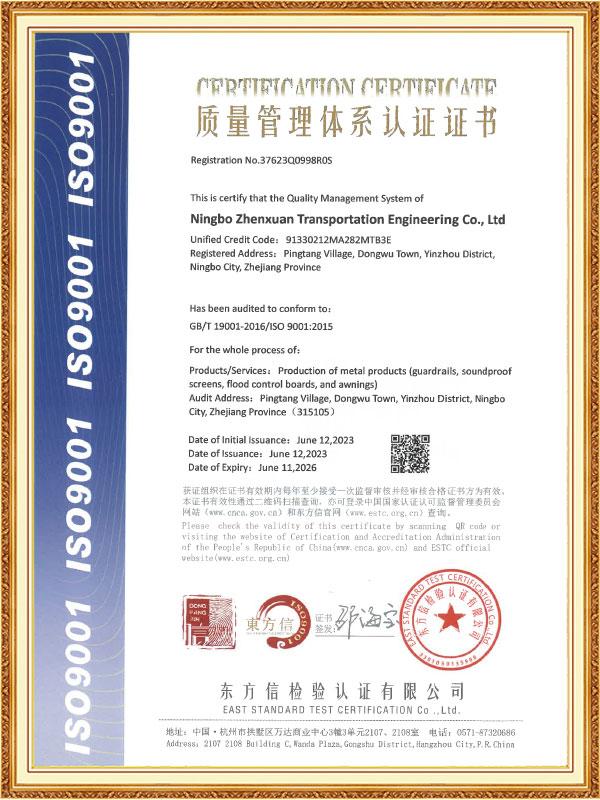
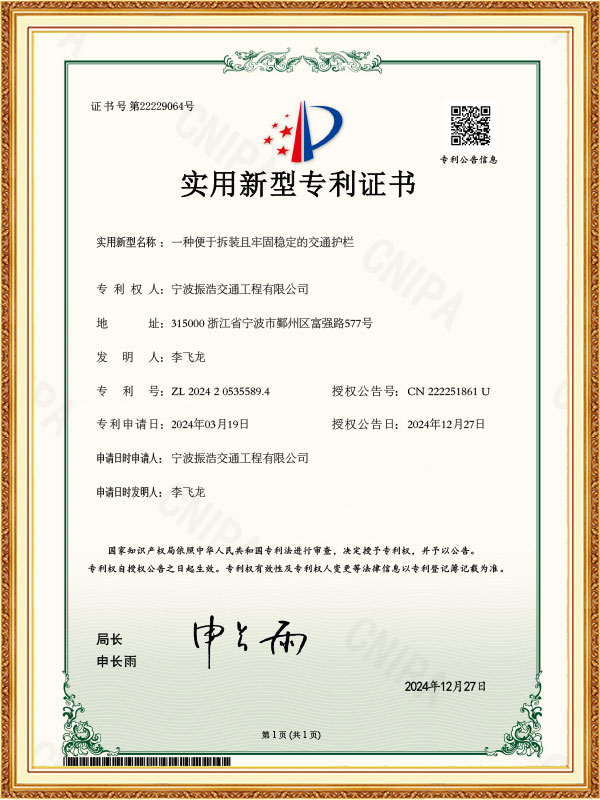
Ningbo Zhenhao Traffic Engineering Co., Ltd. یک تولید کننده بزرگ حرفه ای است که مسئول طراحی، تولید و فروش مجموعه ای از ریل های محافظ، ریل های محافظ و صفحه های عایق صدا با سرعت بالا است. این شرکت متکی به تجهیزات تولید تخته محافظ با سرعت بالا است، کیفیت تولید مطابق با استانداردهای ملی است و طراحی محصول با استفاده از سیستم ترسیم طراحی به کمک کامپیوتر CAD CATIA 2D 3D که مطابق با استانداردهای فنی ملی است، انجام می شود و در یک فرآیند تولید از روش تولید استاندارد شده کاملاً اتوماتیک، با دقت بالا و سرعت سریع استفاده می شود. تجهیزات جامع تولید، فناوری تولید پیچیده و یک سیستم آزمایشی دقیق، کیفیت محصولات ژنهائو را ثابت نگه داشته است.
مردم Zhenhao به این اصل پایبند هستند که "کیفیت زندگی توسعه شرکت است، خدمات پایه و اساس شرکت است." با هدایت اصل "تعالی، توسعه مستمر و کمال" و همگامی با زمان، طراحی و تولید، فروش و خدمات، مد و نوآوری، شخصیت و انسانیت کاملاً ادغام شدهاند، بنابراین وضعیت بازار خوشخیم با ویژگیهای ژنهائو شکل میگیرد.

سیستمهای گاردریل جادهای به کاهش شدت تصادفات بزرگراهها ادامه میدهند سیستمهای حفاظ راه، یکی از مهمترین فناوریهای ایمنی کنار جادهای هستند که در زیرساختهای حملونقل مدرن مورد استفاده قرار میگیرند. نرده های محافظ با طراحی مناسب به جلوگیری از خروج وسایل نقلیه از جاده، کاهش شدت برخورد...
READ MOREبراکتهای نصب خورشیدی قابل اعتماد برای نصب ایمن براکت های نصب خورشیدی اجزای ضروری برای نصب پنل های خورشیدی پایدار و کارآمد هستند. آنها پشتیبانی ساختاری را فراهم می کنند، زوایای بهینه را برای قرار گرفتن در معرض نور خورشید حفظ می کنند و اطمینان می دهند که پانل ها تحت ش...
READ MOREحصار محیطی سایت: کلید ایمن سازی هر گونه اموال حصار محیطی مستحکم برای حفاظت از اموال، کنترل دسترسی و جلوگیری از ورود غیرمجاز ضروری است. این به عنوان اولین خط دفاعی برای مکان های صنعتی، تجاری و مسکونی به طور یکسان عمل می کند. با نصب یک حصار قوی و برنامه ریزی شده، صاحبان املا...
READ MOREگاردریل های ترافیکی برای ایمنی جاده ها و کاهش تصادفات ضروری هستند گاردریل های ترافیکی با تغییر مسیر وسایل نقلیه و جلوگیری از خروج آنها از جاده یا برخورد با موانع خطرناک، نقش مهمی در کاهش شدت تصادف ایفا می کنند. سیستمهای حفاظی که بهدرستی طراحی و نصب شده باشند، میتوانند به میزا...
READ MOREWhat Are the Common Materials for Stadium Fences?
What Are the Common Materials for Stadium Fences?
Stadium fences serve as an essential component in modern sports facility construction, playing a vital role in ensuring safety, enhancing the viewing experience, and improving the aesthetics of the venue. As society progresses, the materials and design concepts for stadium fences have evolved, with different materials offering various benefits to suit different environmental conditions. Ningbo Zhenhao Traffic Engineering Co., Ltd., as a professional manufacturer of guardrails, soundproofing screens, and other protective barriers, provides high-quality, reliable solutions in the design and production of stadium fences.
Common Materials for Stadium Fences
The material of a stadium fence directly impacts its strength, durability, and aesthetics. Depending on the environment in which they are used, the most common materials for stadium fences include the following:
1. Steel Material
Steel is one of the most common materials used for stadium fences due to its high strength and impact resistance. Steel fences offer excellent wind resistance and corrosion resistance, making them suitable for different climate conditions, especially in areas with strong winds or frequent rainfall. The steel fences produced by Ningbo Zhenhao use high-quality steel, ensuring long-lasting durability with exceptional strength.
2. Aluminum Alloy Material
Aluminum alloy fences have become a popular choice for modern stadiums due to their lightweight, strong corrosion resistance, and long service life. Aluminum alloy fences are not prone to rust and are highly resistant to oxidation, making them ideal for coastal or high-humidity areas. The aluminum alloy fences offered by Zhenhao not only ensure strength but also provide a variety of customization options to meet aesthetic requirements.
3. PVC (Plastic) Material
PVC material is a cost-effective option for stadium fences, offering ease of installation and good corrosion resistance. PVC fences are typically made with reinforced composite materials to enhance their strength, making them suitable for low-intensity environments or non-professional sports venues.
4. Stainless Steel Material
Stainless steel fences are widely used in high-end sports venues due to their corrosion resistance, oxidation resistance, and high strength. Stainless steel has a smooth surface and is aesthetically pleasing, making it easier to maintain. In many high-profile international sporting venues, stainless steel fences are commonly used. The stainless steel fences provided by Zhenhao feature excellent surface treatment, maintaining long-term durability and visual appeal.
5. Concrete Material
Although less flexible than metal materials, concrete fences are highly durable and stable, often used for large sports venue perimeters. Concrete fences are often combined with other materials for reinforcement and decoration, providing both protection and aesthetic enhancement.
What Are the Installation Requirements for Stadium Fences?
Common Materials and Their Installation Requirements
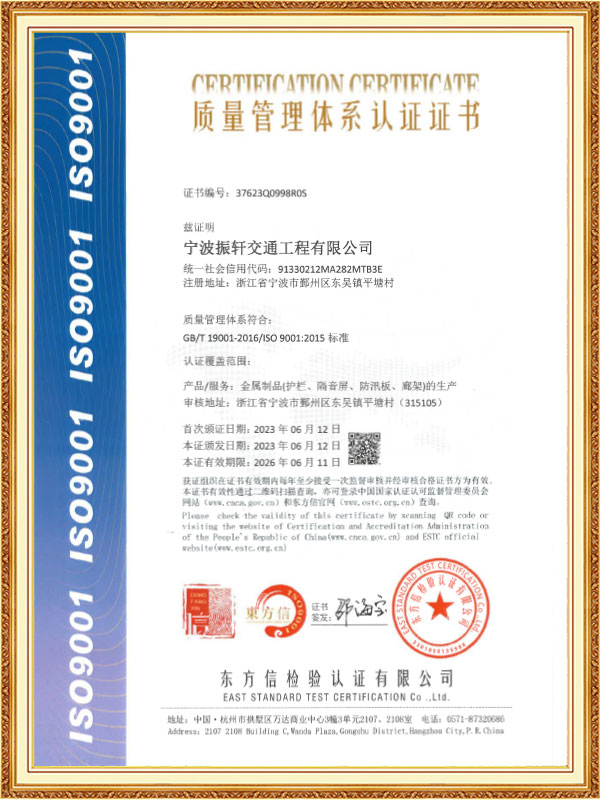
The choice of material directly impacts the stability and safety of the fence. For instance, steel, aluminum alloy, stainless steel, and PVC are commonly used materials for stadium fences. Each material requires specific installation methods to ensure the fence remains secure and durable. Steel fences, for example, need corrosion protection treatment, while aluminum alloy fences must be installed with tight connections to maintain strength. Ningbo Zhenhao Traffic Engineering Co., Ltd. ensures that all materials used in the production of their stadium fences meet national standards, and the products are manufactured using advanced techniques to guarantee long-lasting durability.
Foundation Requirements for Stadium Fences
The foundation is one of the most critical elements when installing a stadium fence. The depth and width of the foundation should be adjusted depending on the terrain and wind conditions. In areas with high wind speeds or uneven ground, the fence’s foundation must be deeply embedded to ensure it stays upright and secure. Ningbo Zhenhao has designed its products with these considerations in mind, ensuring that every stadium fence is reliable and able to withstand the test of time.
Height and Spacing of the Fence
The height and spacing of a stadium fence depend on the type of sport and the specific requirements of the venue. For instance, football field fences typically range from 1.5 to 2 meters in height. Fences for high-risk sports or activities may require even higher fences to prevent balls from leaving the field. Additionally, the spacing between fence posts needs to be carefully planned to ensure that the fence provides proper protection while not obstructing the view for spectators.
Mesh Structure and Strength of the Fence
Stadium fences often use mesh structures to allow visibility while ensuring safety. The strength of the mesh is crucial to prevent balls from flying out of the field and to withstand external forces. During installation, attention must be given to the welding and connection points of the mesh, ensuring there are no loose or broken connections. Zhenhao uses fully automated welding techniques to guarantee strong, tight, and durable connections for their mesh fences, enhancing their resistance to impact and ensuring long-term safety.
Aesthetic Design and Protective Features
Stadium fences should not only provide safety but also complement the overall aesthetic of the venue. The design of the fence must be visually appealing while providing adequate protection. Zhenhao offers customization services for their products, allowing clients to choose from a range of colors, finishes, and designs to ensure that the fence matches the venue’s overall theme and style.
Wind Resistance and Stability
A stadium fence must be able to withstand strong winds, especially in outdoor areas where wind conditions may vary. The installation process must account for the wind resistance of the materials, as well as the structural stability of the fence. Zhenhao’s stadium fences are designed with these factors in mind, using high-quality materials and optimized structures to ensure their stability even in extreme weather conditions.
Safety Measures During Installation
Ensuring the safety of workers during the installation process is essential. Proper precautions must be taken during foundation excavation, post installation, and mesh placement. Workers should wear appropriate protective gear, and proper lifting equipment must be used to ensure the safety of the installation team. Zhenhao strictly adheres to safety standards during the entire installation process to guarantee that every project is executed without incident.
Common Applications of Stadium Fences
Stadium fences are used in a variety of venues, from professional sports stadiums to school athletic fields and public event spaces. Their role is to provide safety, prevent unauthorized access, and enhance the overall spectator experience. Below are some of the common applications for stadium fences:
1. Professional Sports Stadiums
In professional sports venues such as football fields, basketball courts, and tennis courts, stadium fences are crucial for ensuring the safety of players and spectators. They prevent balls from leaving the field and protect the audience from potential injuries. Zhenhao’s stadium fences are designed to meet these high standards, offering both safety and durability for professional sports settings.
2. School Sports Fields and Training Grounds
Stadium fences are also widely used in school sports fields and training grounds, where they help maintain safety and define boundaries. These fences need to be cost-effective while still providing sufficient protection. Zhenhao offers a range of affordable solutions, such as PVC and aluminum alloy fences, which are ideal for educational and training environments.
3. Public Event Spaces
Stadium fences are often used at public event venues such as outdoor concerts or temporary sports events. For these types of events, the fence needs to be easy to install and remove while providing adequate safety. Zhenhao’s removable fences are perfect for such temporary setups, offering quick and efficient installation for events of all sizes.
4. Traffic Isolation and Protection
Stadium fences can also be used to isolate traffic and sports areas, minimizing the risk of collisions between vehicles and pedestrians. These fences ensure public safety by creating clear boundaries between different areas. Zhenhao’s traffic guardrails and protective fences are specifically designed to be durable and reliable in diverse environments.
What are the Differences Between Stadium Fences and Other Types of City Fences?
1. Design and Function Differences
Stadium fences are primarily designed to ensure the safety of athletes and spectators by preventing athletes or balls from leaving the playing area and stopping unauthorized access to dangerous zones. These fences need to withstand substantial impact, which makes their design much stronger and more robust. In contrast, city fences are generally designed to demarcate boundaries, add aesthetic value, or simply prevent entry into certain areas. These fences typically do not need to withstand intense physical forces.
For example, the design of stadium fences often incorporates high-strength mesh or solid barriers to prevent fast-moving balls or athletes from leaving the field. On the other hand, city fences are more likely to use decorative materials such as wrought iron or wood, with an emphasis on visual appeal and integration with the surrounding environment.
2. Material and Structure Differences
Stadium fences typically use high-strength materials such as steel, aluminum, or stainless steel, which not only offer excellent impact resistance but also have strong corrosion resistance, making them suitable for long-term outdoor use. Since stadium events involve high-intensity activities, these fences must meet rigorous standards to prevent deformation or damage under forceful impacts.
City fences, however, are made from a wider variety of materials, including wrought iron, PVC, wood, or fiberglass, depending on the specific purpose and aesthetic needs. While these materials excel in terms of appearance and decorative qualities, they often fall short in terms of strength and durability compared to stadium fences.
Zhenhao's stadium fences are made with galvanized steel wire mesh or aluminum alloy, ensuring that the fence maintains its structural integrity even under significant impact. Our strict manufacturing processes and advanced welding techniques guarantee that the fences are not only robust but also meet high safety standards.
3. Installation Requirements and Maintenance Costs
Stadium fences generally require more complex and robust installation foundations. This is because they need to support not only the weight of the fence itself but also the forces exerted on it during the event. As a result, installation often requires deeper foundations and stronger fastening systems. In contrast, city fences can usually be installed with simpler foundations, and maintenance costs tend to be lower.
Zhenhao's stadium fence solutions are designed for easy installation, especially in large venues. Our automated production lines and efficient manufacturing processes minimize installation time while ensuring consistent quality and durability, which reduces long-term maintenance needs.
4. Safety and Durability Requirements
Stadium fences are required to withstand more significant forces (such as ball impacts or crowd interactions), so their safety and durability standards are much higher than those for city fences. As a result, the materials and manufacturing processes for stadium fences undergo strict testing to ensure that they can remain stable under high-intensity impacts.
In contrast, city fences typically only need to handle light physical forces, such as preventing people from entering or delineating gardens or green spaces. Zhenhao's stadium fences use high-strength steel and aluminum alloys, as well as corrosion-resistant treatments, ensuring they can withstand harsh weather conditions and perform excellently over time.
5. Customization and Aesthetic Design
While city fences often prioritize aesthetic value and decorative aspects, stadium fences must balance functionality with design. The focus is on providing the necessary security while ensuring that the fence doesn’t interfere with the game or disrupt sightlines for spectators. Stadium fences can be customized with high-visibility mesh or solid barriers, depending on the specific needs of the event and the stadium.
Zhenhao offers a wide range of customizable solutions for stadium fences, ensuring that they not only meet safety and durability standards but also provide a visually appealing solution that fits the aesthetic requirements of each sports venue.
What Are the Different Applications of Stadium Fences in Various Types of Sports Fields?
1. Football Fields and Large Sports Arenas
Football fields are one of the most typical applications for stadium fences. Due to the high intensity and risk associated with football games, the fences on these fields need to have extremely high strength and impact resistance. Typically, the height of the football field fence is required to be between 2 meters and 3 meters, which effectively prevents footballs from leaving the field while ensuring the safety of both spectators and athletes. The materials used for these fences are commonly steel or aluminum alloy, as these materials offer good strength and durability, capable of withstanding the external impacts that occur during a match.
To meet the unique demands of special venues, Zhenhao provides customized solutions, including fences with anti-collision designs. These fences can significantly reduce accidents and avoid unnecessary injuries to players during a match. For large sports arenas, our products also feature high wind resistance to adapt to harsh weather conditions.
2. Basketball Courts and Tennis Courts
Basketball and tennis courts require more flexible designs for their fences, balancing safety and aesthetics. Since basketball and tennis involve a wide range of player and ball movement, the design of the fence's mesh structure is crucial. Tennis court fences are typically made from galvanized steel wire or PVC mesh, as these materials provide strong flexibility and ensure that the fence does not deform easily when impacted by the ball.
For basketball courts and tennis courts, Zhenhao designs fences according to specific field requirements. For basketball courts, the fence height is typically 2 to 3 meters to prevent interference with the players' view and effectively stop the basketballs from flying out of the court. For tennis courts, the fence requires higher transparency and a clear view. Zhenhao offers various high-transparency mesh fence solutions to meet the aesthetic and functional needs of high-end clients.
3. Track and Field Stadiums
Track and field stadiums are comprehensive sports venues with more complex fence design requirements. The fences not only need to ensure the safety of the track, high jump, and long jump areas but also prevent people from entering the competition zones. When designing track and field stadium fences, we take into account the versatility of the activity areas. We typically use steel fences or aluminum alloy fences, as these materials meet the high-strength requirements and can withstand sun, wind, and other harsh environmental factors.
Additionally, fences in track and field stadiums often need to be equipped with soundproof screens, especially in urban or densely populated areas, where the noise produced during events could impact surrounding neighborhoods. Zhenhao’s soundproof screens have excellent noise-reduction capabilities, making them ideal for environments where noise control and safety are essential.
4. High-Risk Sports Areas
For high-risk sports venues, such as extreme sports parks or wrestling arenas, the fence design needs to go beyond basic safety requirements and provide stronger protective capabilities. These venues’ fences are typically made from high-strength steel or stainless steel, which not only endure substantial impacts but also prevent unauthorized access to dangerous areas.
For instance, in extreme sports zones, the fence needs to have a high-strength mesh structure to prevent athletes or equipment from injuring spectators. In addition, high-risk sports venues’ fences should offer high visibility and warning features. Zhenhao provides customizable fence solutions with warning signs, ensuring that both people inside and outside the venue are fully aware of the risks involved, reducing the likelihood of accidents.
5. Sports Training Grounds and School Sports Fields
Fences for school sports fields and training grounds are more focused on practicality and cost-effectiveness. The fences for school sports fields typically use PVC materials or aluminum alloy, which meet safety requirements while keeping maintenance costs low. In some areas with less-developed infrastructure, PVC fences, with their low cost and easy installation, have become a popular choice for school sports fields.
For more professional sports training grounds, Zhenhao offers customized aluminum alloy fence solutions. These aluminum alloy fences provide excellent safety, corrosion resistance, and aesthetic appeal, ensuring that they withstand prolonged use over time. Through precise design and optimization, Zhenhao’s training ground fences meet the specific needs of various venues, combining functionality with visual appeal.
6. Outdoor Sports Fields and Public Activity Venues
Outdoor sports fields and public activity venues, such as parks and open plazas, often require fences to separate the activity areas from the spectator zones, ensuring that events proceed smoothly. The fences in these locations need to provide good safety protection while also enhancing the visual appeal and adaptability to the surrounding environment. Typically, Zhenhao uses aluminum alloy or galvanized steel to manufacture these fences. These materials are resistant to weather conditions, easy to maintain, and are ideal for long-term outdoor use.
When designing fences for public spaces, we also prioritize the appearance of the fences to ensure they blend in well with the surrounding environment. Zhenhao offers diverse customization services, allowing clients to select different styles of fences to better integrate with the visual aesthetics of public spaces.
تماس با ما
Add:شماره 577 جاده فوچیانگ، خیابان پانهو، منطقه یینژو، شهر نینگبو، استان ژجیانگ
Email: [email protected]
Telephone: +86-18058271903
Phone: +86 0571-28284189
شرکت مهندسی ترافیک Zhenxuan یک تولید کننده بزرگ حرفه ای است که مسئول طراحی، تولید و فروش مجموعه ای از ریل های محافظ، ریل های محافظ و صفحه های عایق صدا با سرعت بالا است.

+86-18058271903