
آلاچیق هنری از جنس استنلس استیل
گالری هنری فولاد ضد زنگ نوعی جزء ساختمانی است ک...

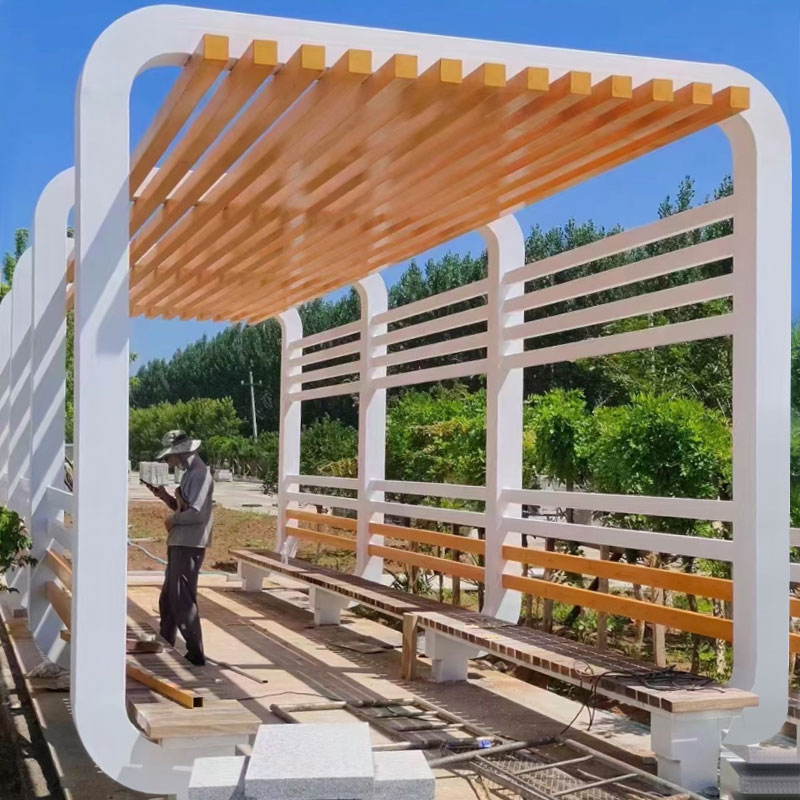
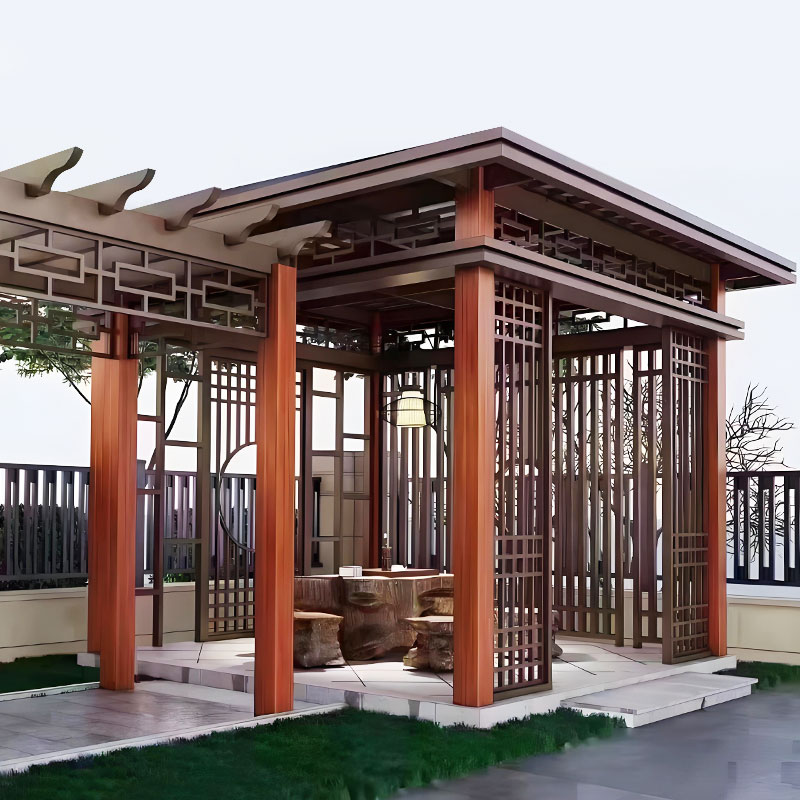
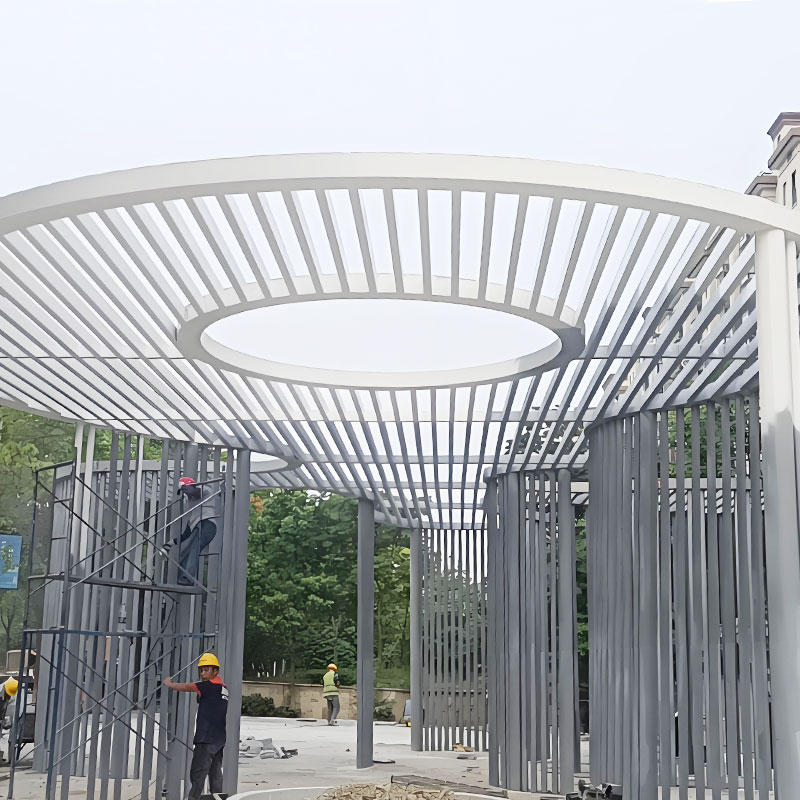
آلاچیق فلزی یک سازه قوی و بادوام در فضای باز است که عمدتاً برای ایجاد سایه، دکوراسیون و محافظت از فضاهای بیرونی استفاده می شود. ساخته شده از مواد فلزی مقاوم در برابر خوردگی مانند آلیاژ آلومینیوم و فولاد ضد زنگ، دارای مقاومت عالی در برابر باد، مقاومت در برابر خوردگی و مقاومت در برابر آب و هوا، مناسب برای شرایط مختلف آب و هوایی است. آلاچیق فلزی نه تنها می تواند برای مکان های بیرونی مانند باغ ها، تراس ها و حیاط ها سایه و محافظت ایجاد کند، بلکه ارزش زیبایی شناختی فضا را نیز افزایش می دهد. سبک طراحی ساده و مدرن آن را می توان با انواع سبک های معماری و طرح های منظره ادغام کرد تا راحتی و جذابیت بصری محیط بیرون را افزایش دهد.
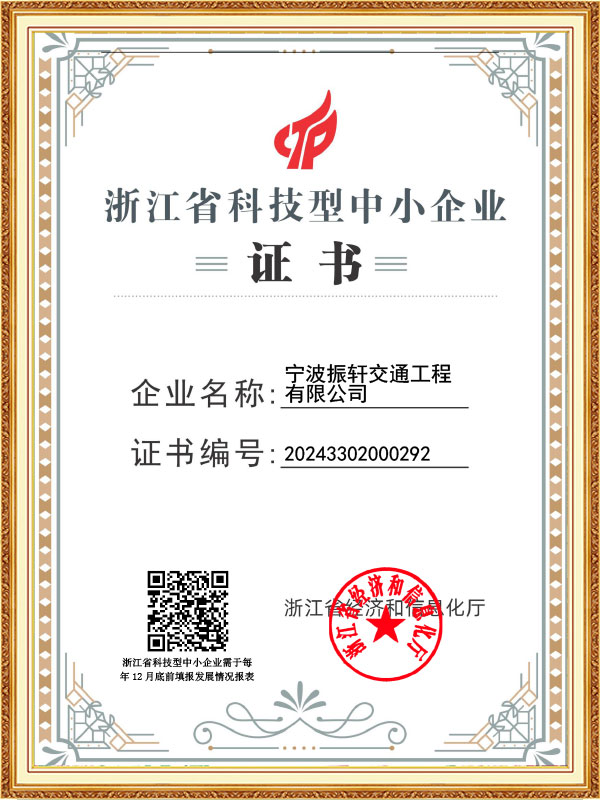
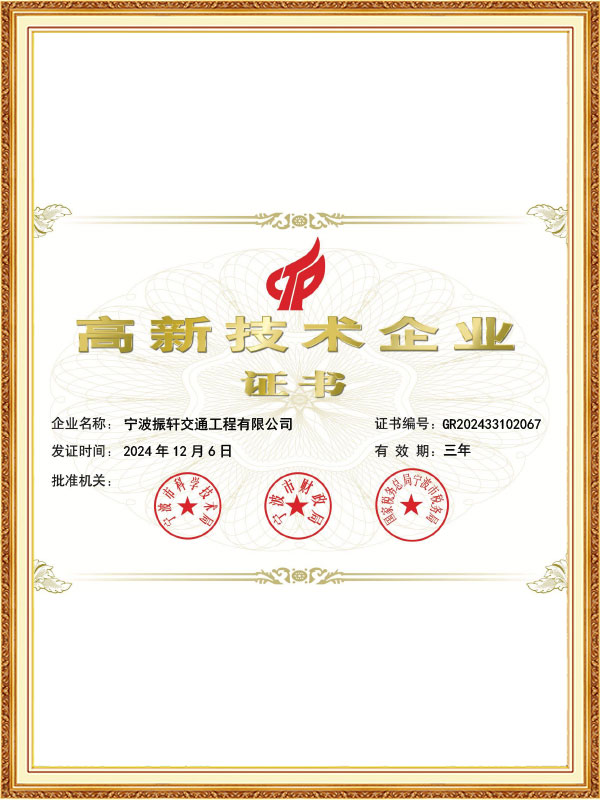
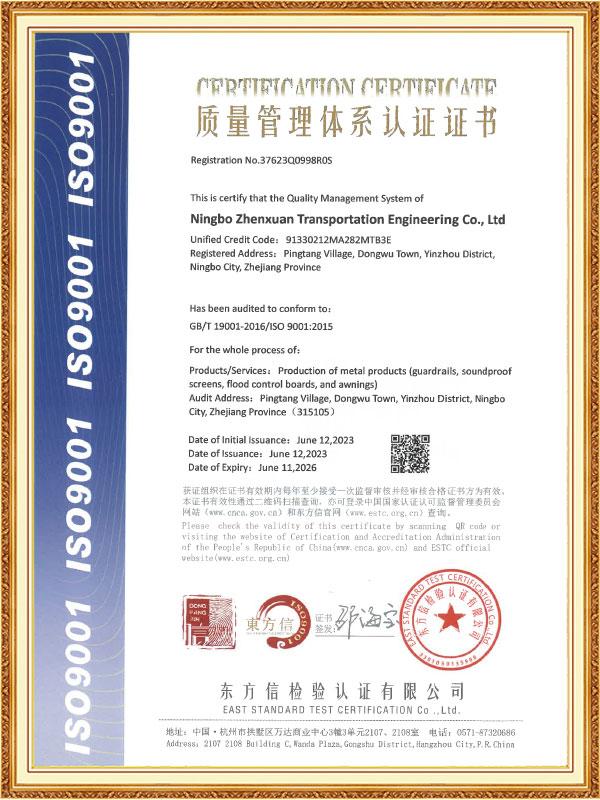
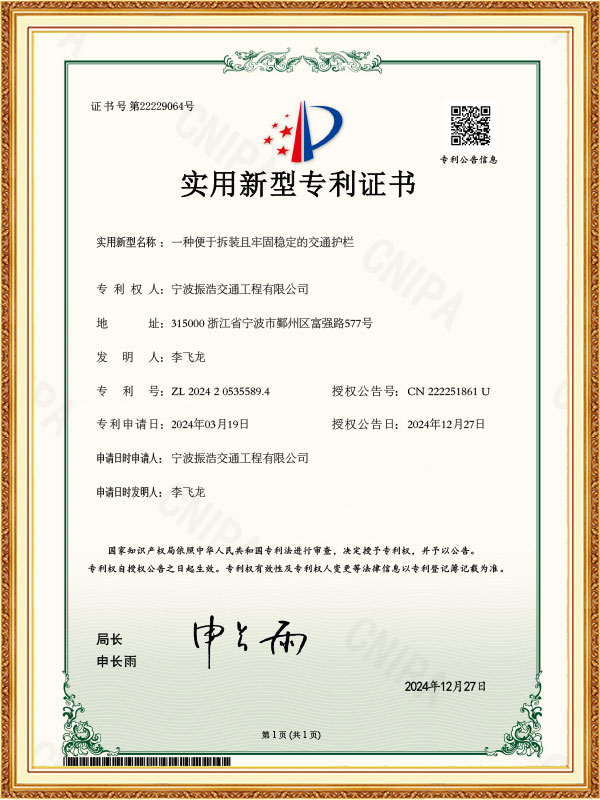
Ningbo Zhenhao Traffic Engineering Co., Ltd. یک تولید کننده بزرگ حرفه ای است که مسئول طراحی، تولید و فروش مجموعه ای از ریل های محافظ، ریل های محافظ و صفحه های عایق صدا با سرعت بالا است. این شرکت متکی به تجهیزات تولید تخته محافظ با سرعت بالا است، کیفیت تولید مطابق با استانداردهای ملی است و طراحی محصول با استفاده از سیستم ترسیم طراحی به کمک کامپیوتر CAD CATIA 2D 3D که مطابق با استانداردهای فنی ملی است، انجام می شود و در یک فرآیند تولید از روش تولید استاندارد شده کاملاً اتوماتیک، با دقت بالا و سرعت سریع استفاده می شود. تجهیزات جامع تولید، فناوری تولید پیچیده و یک سیستم آزمایشی دقیق، کیفیت محصولات ژنهائو را ثابت نگه داشته است.
مردم Zhenhao به این اصل پایبند هستند که "کیفیت زندگی توسعه شرکت است، خدمات پایه و اساس شرکت است." با هدایت اصل "تعالی، توسعه مستمر و کمال" و همگامی با زمان، طراحی و تولید، فروش و خدمات، مد و نوآوری، شخصیت و انسانیت کاملاً ادغام شدهاند، بنابراین وضعیت بازار خوشخیم با ویژگیهای ژنهائو شکل میگیرد.

سیستمهای گاردریل جادهای به کاهش شدت تصادفات بزرگراهها ادامه میدهند سیستمهای حفاظ راه، یکی از مهمترین فناوریهای ایمنی کنار جادهای هستند که در زیرساختهای حملونقل مدرن مورد استفاده قرار میگیرند. نرده های محافظ با طراحی مناسب به جلوگیری از خروج وسایل نقلیه از جاده، کاهش شدت برخورد...
READ MOREبراکتهای نصب خورشیدی قابل اعتماد برای نصب ایمن براکت های نصب خورشیدی اجزای ضروری برای نصب پنل های خورشیدی پایدار و کارآمد هستند. آنها پشتیبانی ساختاری را فراهم می کنند، زوایای بهینه را برای قرار گرفتن در معرض نور خورشید حفظ می کنند و اطمینان می دهند که پانل ها تحت ش...
READ MOREحصار محیطی سایت: کلید ایمن سازی هر گونه اموال حصار محیطی مستحکم برای حفاظت از اموال، کنترل دسترسی و جلوگیری از ورود غیرمجاز ضروری است. این به عنوان اولین خط دفاعی برای مکان های صنعتی، تجاری و مسکونی به طور یکسان عمل می کند. با نصب یک حصار قوی و برنامه ریزی شده، صاحبان املا...
READ MOREگاردریل های ترافیکی برای ایمنی جاده ها و کاهش تصادفات ضروری هستند گاردریل های ترافیکی با تغییر مسیر وسایل نقلیه و جلوگیری از خروج آنها از جاده یا برخورد با موانع خطرناک، نقش مهمی در کاهش شدت تصادف ایفا می کنند. سیستمهای حفاظی که بهدرستی طراحی و نصب شده باشند، میتوانند به میزا...
READ MOREWhat Are the Considerations for the Size and Structural Design of Metal Pergolas?
1. Size Design of Metal Pergolas: Tailoring to Space and Needs
The size design of a metal pergola is one of the key factors that influence its functionality and aesthetic appeal. A well-designed size not only meets practical requirements but also enhances space utilization. Depending on the location and the purpose of the pergola, the required size may vary significantly.
1.1 Site Size and Shape
First and foremost, the design of a metal pergola must be based on the actual size of the site. Pergolas in small gardens or residential courtyards typically have smaller dimensions, usually around 3×3 meters or 4×4 meters, suitable for 2-4 people. On the other hand, larger pergolas used in gardens, commercial spaces, or public areas may require larger dimensions, such as 5×5 meters or more. The shape of the site also affects the design—whether rectangular, square, or circular, each shape uses space differently and needs to be adjusted accordingly.
1.2 Functional Needs
The size of the metal pergola also depends on its intended use. For example, if the pergola is to be used for family gatherings, relaxation, or dining, designers need to consider the number of people, furniture arrangement, and flow space requirements. For commercial use, such as in cafes or restaurants, more space may be needed to accommodate customers, and additional equipment such as heaters, lighting, and sound systems might also be necessary. Moreover, the pergola’s size should be proportional to its surroundings to maintain a visually balanced and harmonious appearance.
1.3 Custom Sizes
At Ningbo Zhenhao Traffic Engineering Co., Ltd., with years of experience in design and production, we provide fully customized metal pergola sizes. Based on the site conditions and functional requirements of our clients, we tailor the most suitable size solution. Our design team uses advanced CAD/CATIA 2D/3D assisted design systems to model accurately according to client needs, ensuring every pergola meets its intended use.
2. Structural Design of Metal Pergolas: Balancing Stability and Aesthetics
The structural design of a metal pergola directly affects its stability, safety, and durability. Choosing the right structural design ensures that the pergola is not only solid and durable but also blends seamlessly with the surrounding environment.
2.1 Material Selection
Metal pergolas are typically made from materials such as aluminum alloy, stainless steel, or hot-dip galvanized steel, all of which offer excellent corrosion resistance and wind resistance. Aluminum alloy is lightweight and resistant to corrosion, making it ideal for long-term outdoor use. Stainless steel, on the other hand, offers high strength and a visually appealing finish, making it a common choice for high-end pergolas. Depending on different needs, customers can select the most suitable material. Ningbo Zhenhao Traffic Engineering Co., Ltd. strictly controls the quality of materials during production, ensuring that our products meet industry standards for structural integrity.
2.2 Support Structure Design
The support structure of a metal pergola must be sturdy to ensure that it remains stable during strong winds, snow, or other harsh weather conditions. Common support structures include four-corner support and multi-pillar designs. Based on the size requirements and wind conditions, designers will choose the appropriate support method. For large pergolas or areas with high wind exposure, additional support pillars or reinforced structures may be necessary.
2.3 Structural Stability and Safety
The stability of the structure is a critical consideration in metal pergola design. Designers must take into account the weight of the pergola, the strength of the materials, and the installation site to ensure there are no safety risks during prolonged use. In special environments, such as high-wind areas or earthquake zones, additional reinforcement may be required in the structure design. At Zhenhao, we take all these factors into account during the design process, using computer-aided design software to conduct thorough structural analysis and ensure that every pergola performs excellently in terms of wind and load resistance.
2.4 Aesthetic Design and Functionality
The structural design of a metal pergola should not only consider functionality but also aesthetics. At Ningbo Zhenhao Traffic Engineering Co., Ltd., we focus on the details of each product, ensuring that every metal pergola enhances the overall visual appeal of the environment while meeting functional requirements. We offer a variety of customization options, including different colors, shapes, and decorative elements, helping clients create a personalized outdoor space.
1. Ground Preparation Requirements for Metal Pergola Installation
The installation of a metal pergola is not as simple as just placing it on the ground—it requires careful ground preparation. A stable, safe, and suitable foundation is essential for ensuring the pergola’s durability and functionality. Proper infrastructure ensures that the pergola remains securely in place, performs optimally, and lasts for years to come.
1.1 Level Ground Foundation
The first requirement for installing a metal pergola is a level and solid ground foundation. For the pergola to be securely installed, the ground must be level and stable. If the ground is uneven or soft, the pergola may lean or shift over time, compromising its stability. This is especially crucial in windy areas where the structure must withstand external forces.
Before installation, it’s important to check for any depressions, uneven surfaces, or soft spots in the soil. If the ground is uneven, leveling or reinforcement is necessary, and in some cases, a concrete or other sturdy material layer may need to be laid down. For smaller, residential gardens, simple cement or stone slabs may suffice, but larger or public installations typically require more robust ground preparation to support the pergola’s structure.
1.2 Drainage System Design
A proper drainage system is another critical aspect of ground preparation. It ensures that water does not accumulate underneath the pergola, which could cause rust or damage to the metal structure. For areas with high humidity or frequent rainfall, designing a drainage system beneath the pergola’s base is essential to prevent water buildup.
Additionally, the ground should be sloped slightly toward the drainage area to ensure water flows away from the pergola. This simple yet effective drainage system can greatly extend the life of the structure and reduce maintenance costs over time.
1.3 Concrete Foundation
For larger pergolas, especially those intended for public or commercial spaces, a concrete foundation is recommended. Concrete provides a strong base that will ensure the pergola remains stable and secure over time. Concrete foundations also act as a barrier against moisture, which can cause corrosion in the metal structure.
Typically, a concrete foundation requires digging a foundation trench, embedding rebar, and then pouring concrete to create a solid base. The depth and dimensions of the foundation depend on the size and design of the pergola, and our team at Ningbo Zhenhao Traffic Engineering Co., Ltd. can provide tailored solutions for every project. We work with clients to ensure that the foundation meets all necessary structural and safety standards.
1.4 Surface Treatment
For the longevity of the metal pergola, surface treatment of the ground is necessary. The ground surface must be stable and appropriate for supporting the structure. Common materials used for ground surfaces include concrete, brick, or paving stones. These materials not only enhance the aesthetic appeal but also provide a durable and level foundation for the pergola.
For the installation of metal pergolas, it is important to select a surface material that is sturdy and won’t warp over time. Concrete or tile surfaces are most commonly used, as they provide stable support and are easy to maintain. If the site is particularly damp or prone to moisture, it’s advisable to choose materials that are resistant to moisture damage.
2. Supporting and Fixing Methods for the Metal Pergola
The supporting and fixing methods of the metal pergola are key to ensuring its stability and durability. Proper anchoring is essential to prevent the structure from shifting or falling in adverse weather conditions, such as strong winds or earthquakes.
2.1 Fixing of Support Columns
Metal pergolas are typically anchored by fixing support columns to the ground. The columns can be fixed into place by methods such as drilling or embedding them into the concrete foundation. This ensures that the pergola remains upright and firmly attached to the ground, reducing the risk of movement or collapse.
The depth and number of support columns depend on the size and weight of the pergola. Larger structures may require additional columns or deeper embedding into the ground to ensure stability. Materials for the support columns are usually corrosion-resistant metals, such as stainless steel or hot-dip galvanized steel, to maintain long-term durability.
2.2 Use of Anchor Devices
To further enhance the pergola’s stability, anchor devices are often used. Anchor devices firmly attach the structure to the ground, ensuring that the pergola is protected against wind, seismic activity, or other external pressures.
These anchor devices play a crucial role in connecting the pergola to its foundation. The choice of anchor devices and the methods of attachment depend on factors such as soil conditions, expected wind speeds, and overall design of the pergola.
3. Conclusion: Professional Design and Installation for Long-lasting Use
The installation of a metal pergola involves more than just assembly—it requires careful ground preparation and a stable foundation. A properly prepared site is essential to ensure the pergola’s stability, safety, and longevity. At Ningbo Zhenhao Traffic Engineering Co., Ltd., we have extensive experience in designing and manufacturing high-quality metal products, including guard rails and soundproofing screens, and we apply the same meticulous standards to our metal pergolas.
We use advanced CAD/CATIA 2D/3D design systems to customize each pergola according to the client’s specific requirements, ensuring that it will perform optimally and last for years. Whether it’s a residential garden or a commercial space, we offer tailored solutions that include expert advice on site preparation, materials, and installation. By choosing Zhenhao, customers are guaranteed a high-quality metal pergola designed for both aesthetic appeal and long-term reliability.
What Are the Key Maintenance and Care Tips for Metal Pergolas?
1. Surface Cleaning and Maintenance of Metal Pergolas
Metal pergolas, just like any other outdoor structure, accumulate dust, dirt, and other residues over time due to their constant exposure to the elements. Regular cleaning not only preserves their aesthetic appeal but also prolongs their lifespan.
1.1 Regular Cleaning Methods
When cleaning a metal pergola, it is recommended to use mild detergents and a soft cloth or sponge to avoid scratching the surface. For light stains, warm water and mild soap can be used, but harsh chemicals, including strong acids or bases, should be avoided as they can damage the metal. For tougher stains, a specialized metal cleaner can be used, following the manufacturer’s instructions.
1.2 Periodic Wiping of Metal Surfaces
The exterior surface of a metal pergola, such as the paint or stainless steel surface, should be wiped and maintained regularly, especially in humid or rainy environments. It’s advisable to wipe down the surface at least quarterly to remove dust, bird droppings, or other contaminants that could potentially corrode the metal.
1.3 Rust Prevention and Corrosion Treatment
Although metal pergolas are generally constructed from corrosion-resistant materials such as aluminum or stainless steel, long-term outdoor exposure can lead to slight rusting or corrosion. It is advisable to inspect the pergola annually for any signs of rust and treat it promptly with a rust inhibitor. Reapplying a protective coating or rust-preventive paint is also recommended, particularly for areas with exposure to moisture.
2. Structural Inspection and Maintenance of Metal Pergolas
The structural integrity of a metal pergola is just as important as its appearance. Over time, external factors such as strong winds or heavy rainfall can affect its stability. Regular inspection of key structural elements ensures the pergola remains secure.
2.1 Inspecting Support Columns and Base
Support columns and the base are critical to the pergola’s overall stability, so it’s essential to regularly check for any loosening or corrosion. If the columns are becoming loose at their connection points with the ground, tightening or re-securing them is necessary. Corroded or damaged base areas should be repaired or replaced to maintain structural strength.
2.2 Inspecting Connectors and Bolts
Metal pergolas are typically fastened together with bolts and connectors. These components should be inspected periodically to ensure they remain tight and intact, particularly after heavy rain or windstorms. Loose or worn bolts should be re-tightened or replaced as needed.
2.3 Inspecting Roof Structure and Drainage System
The roof of the pergola, particularly in areas prone to seasonal rainfall or snow, requires regular inspection. Ensure the drainage system is functioning correctly to avoid water accumulation on the roof. Additionally, check for any damage to roofing materials or joints, especially after heavy weather events, and repair as necessary.
3. Painting and Protective Coating for Metal Pergolas
A protective coating is essential for preventing rust and ensuring the longevity of the pergola. Both aluminum and steel pergolas benefit from regular painting and touch-ups to maintain their resistance to weathering.
3.1 Regular Coating Inspections
Metal pergola coatings may fade, peel, or crack over time, especially when exposed to sunlight and the elements. It’s advisable to check the coating at least annually to ensure it remains intact. If you notice any peeling or cracking, touch up the affected areas with a rust-resistant paint or protective layer to maintain the pergola’s durability.
3.2 Selecting High-Quality Paint
At Ningbo Zhenhao Traffic Engineering Co., Ltd., we use high-quality, durable paints with excellent anti-oxidation and anti-corrosion properties to ensure that our metal pergolas maintain their functionality and aesthetics for years. We also offer customized coating services to meet the specific environmental needs of our clients.
4. Seasonal Maintenance
Depending on the season, the maintenance requirements for a metal pergola can vary. The changing weather conditions, particularly during winter and summer, can impact the structure and finish of the pergola.
4.1 Winter Maintenance
In colder climates, snow accumulation on a pergola’s roof can create added weight. It’s important to remove snow from the roof regularly to prevent any structural stress. This is especially crucial if the region experiences heavy snowfall or freezing temperatures.
4.2 Summer Maintenance
During the summer months, prolonged exposure to high temperatures and strong UV rays can cause the pergola’s paint to fade or the metal to crack. Regular inspection of the pergola’s exterior finish is important to ensure the protective coatings are still effective, and any necessary repairs or touch-ups should be made.
What Are the Common Design Issues and Challenges of Metal Pergolas?
1. Structural Stability and Load-Bearing Capacity
The primary concern when designing a metal pergola is ensuring that its structure is sturdy enough to withstand various external forces. Whether subjected to strong winds, heavy snow, or rain, the pergola's structure must be capable of enduring these stresses without becoming deformed or unstable. A poorly designed or inadequately built pergola could lean, collapse, or become a safety hazard.
Challenges and Solutions:
To address this challenge, designers must calculate the load-bearing capacity of the pergola's supporting structures, especially the columns and connecting parts. Materials such as stainless steel or aluminum alloys, which provide higher strength, are often preferred to enhance the pergola’s load capacity. At Ningbo Zhenhao Traffic Engineering Co., Ltd., we use advanced CAD design systems to precisely calculate the strength of each structural component to ensure every metal pergola remains stable throughout its service life. Additionally, the foundation design must be optimized based on factors like soil type, wind speed, and rainfall to provide solid support.
2. Corrosion Resistance and Weather Durability
Metal pergolas are constantly exposed to outdoor environmental conditions, including intense sunlight, rain, and salty air, which can accelerate corrosion. Steel pergolas, in particular, are prone to rust if not adequately treated, compromising both their appearance and structural integrity.
Challenges and Solutions:
To improve corrosion resistance, pergolas must be made from metals that are naturally resistant to rust, such as stainless steel or galvanized steel. Ningbo Zhenhao Traffic Engineering Co., Ltd. employs rigorous anti-corrosion treatments in the manufacturing process. Every pergola we produce is coated with an anti-rust layer and undergoes special corrosion protection to ensure it maintains excellent appearance and durability. Furthermore, selecting high-quality coatings and paints that are resistant to high temperatures and UV rays further enhances the pergola's ability to withstand harsh weather conditions.
3. Balancing Aesthetics and Functionality
In addition to being practical, a metal pergola must also be visually appealing. Modern consumers increasingly seek outdoor furniture and structures that look stylish while serving a functional purpose. The design of a metal pergola needs to integrate well with its surroundings, offering a modern aesthetic without disrupting the natural environment or surrounding architecture.
Challenges and Solutions:
Designing a pergola that is both functional and aesthetically pleasing involves considering factors like color, shape, material, and overall style. Designers must balance functionality with the pergola's visual appeal, ensuring it complements the landscape and surrounding structures. At Ningbo Zhenhao Traffic Engineering Co., Ltd., we have extensive experience blending design with aesthetics. We offer customizable pergola designs tailored to the client’s specific needs and surrounding environment, ensuring every pergola is both practical and visually harmonious.
4. Dimensions and Space Utilization
One of the challenges in designing a metal pergola is determining its correct size. A pergola that is too small may not offer enough space for users, while one that is too large may take up excessive space and obstruct the surrounding environment. Properly designing the dimensions of the pergola to ensure efficient space utilization while maintaining an aesthetically pleasing proportion is crucial.
Challenges and Solutions:
Designers need to consider the actual dimensions of the installation area and tailor the pergola’s size accordingly. For smaller gardens or residential areas, compact, minimalist designs are often the best solution. For commercial spaces or large public parks, larger pergolas may be required to accommodate more people, but they should not feel crowded. Ningbo Zhenhao Traffic Engineering Co., Ltd. provides a variety of size options and works with clients to plan the layout of the pergola to maximize space while providing the best user experience.
5. Installation and Construction Challenges
Installing a metal pergola is a complex task that requires careful consideration of materials, assembly methods, and construction conditions. Improper installation can result in delays, increased costs, or even failure to meet safety standards, compromising the overall functionality of the pergola.
Challenges and Solutions:
To ensure a smooth installation process, Ningbo Zhenhao Traffic Engineering Co., Ltd. provides clients with detailed installation guides and plans during the design phase. Our experienced installation team can adapt to various site conditions, offering customized installation services that ensure the pergola is properly assembled and installed without affecting the daily activities of the client.
6. Cost Control and Material Selection
One of the ongoing challenges in metal pergola design is controlling costs while maintaining product quality. High-quality materials and manufacturing processes often come with higher costs, whereas cutting corners on material selection may affect the pergola’s durability and safety.
Challenges and Solutions:
To balance quality and cost, Ningbo Zhenhao Traffic Engineering Co., Ltd. uses state-of-the-art manufacturing equipment and high-precision production methods to optimize material use and reduce waste. We also maintain long-term partnerships with material suppliers, ensuring we can provide high-quality materials without increasing unnecessary costs.
7. Environmental Considerations
Metal pergolas are often exposed to various environmental factors such as high temperatures, humidity, or salty air, all of which can affect their durability. Designers must take into account these elements when creating pergolas for different climates, especially for coastal or humid areas where corrosion is a significant concern.
Challenges and Solutions:
To address these environmental challenges, Ningbo Zhenhao Traffic Engineering Co., Ltd. considers local climate conditions when selecting materials and coatings. For coastal areas or regions with high humidity, we use highly corrosion-resistant metals and specialized coatings that ensure the pergola withstands extreme environmental factors.
تماس با ما
Add:شماره 577 جاده فوچیانگ، خیابان پانهو، منطقه یینژو، شهر نینگبو، استان ژجیانگ
Email: [email protected]
Telephone: +86-18058271903
Phone: +86 0571-28284189
شرکت مهندسی ترافیک Zhenxuan یک تولید کننده بزرگ حرفه ای است که مسئول طراحی، تولید و فروش مجموعه ای از ریل های محافظ، ریل های محافظ و صفحه های عایق صدا با سرعت بالا است.

+86-18058271903