
دیوار صوتی تهویه مطبوع
دیوارهای صوتی تهویه مطبوع معمولاً از مواد عایق ...

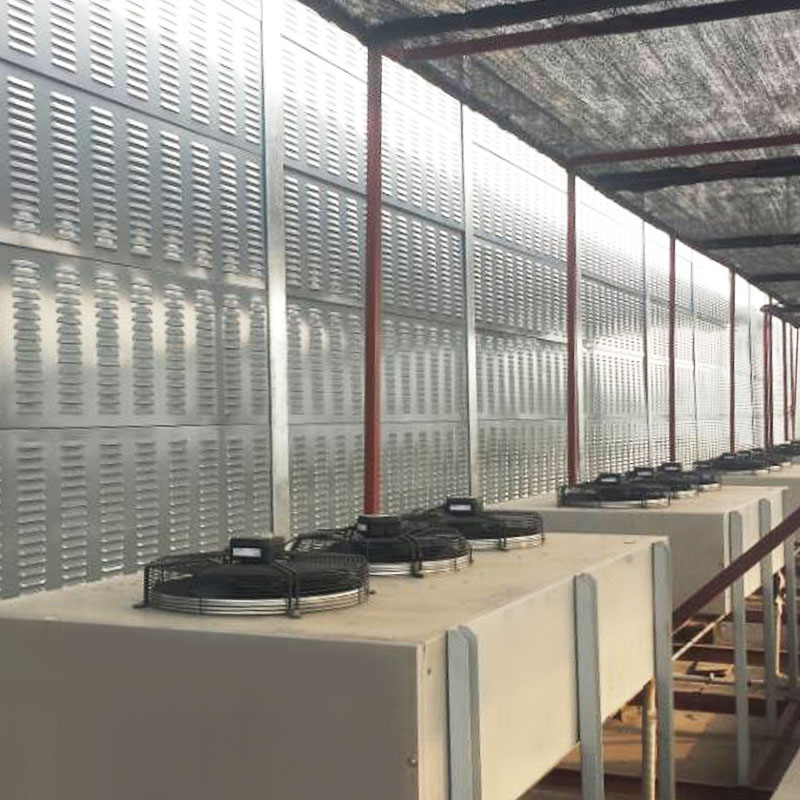
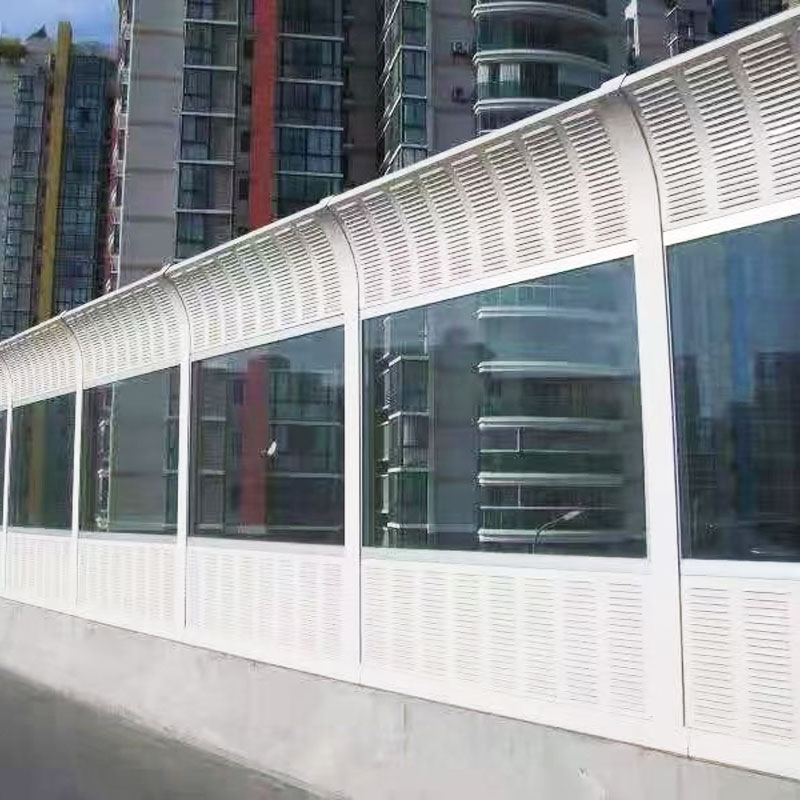
سد سر و صدای جامعه یک راه حل عایق صوتی است که برای کاهش آلودگی صوتی در جامعه طراحی شده است و حفاظت صوتی موثری را برای مناطق حساس مانند مناطق مسکونی، مدارس و بیمارستان ها ارائه می دهد. با استفاده از مواد جاذب صدا و عایق صدا بسیار کارآمد، موانع صوتی جامعه می توانند به طور موثری تداخل ترافیک، صنعت یا سایر منابع صوتی خارجی را کاهش دهند و در نتیجه آسایش و آرامش محیط اطراف را بهبود بخشند و کیفیت زندگی ساکنین و محل کار را بهبود بخشند.
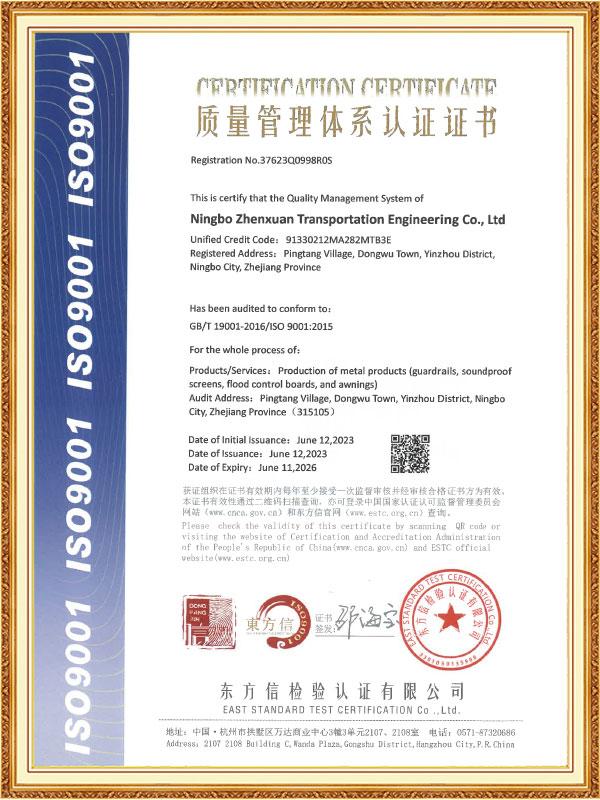
Ningbo Zhenhao Traffic Engineering Co., Ltd. یک تولید کننده بزرگ حرفه ای است که مسئول طراحی، تولید و فروش مجموعه ای از ریل های محافظ، ریل های محافظ و صفحه های عایق صدا با سرعت بالا است. این شرکت متکی به تجهیزات تولید تخته محافظ با سرعت بالا است، کیفیت تولید مطابق با استانداردهای ملی است و طراحی محصول با استفاده از سیستم ترسیم طراحی به کمک کامپیوتر CAD CATIA 2D 3D که مطابق با استانداردهای فنی ملی است، انجام می شود و در یک فرآیند تولید از روش تولید استاندارد شده کاملاً اتوماتیک، با دقت بالا و سرعت سریع استفاده می شود. تجهیزات جامع تولید، فناوری تولید پیچیده و یک سیستم آزمایشی دقیق، کیفیت محصولات ژنهائو را ثابت نگه داشته است.
مردم Zhenhao به این اصل پایبند هستند که "کیفیت زندگی توسعه شرکت است، خدمات پایه و اساس شرکت است." با هدایت اصل "تعالی، توسعه مستمر و کمال" و همگامی با زمان، طراحی و تولید، فروش و خدمات، مد و نوآوری، شخصیت و انسانیت کاملاً ادغام شدهاند، بنابراین وضعیت بازار خوشخیم با ویژگیهای ژنهائو شکل میگیرد.


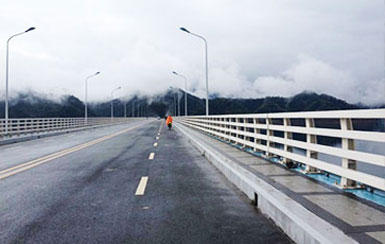
سیستمهای گاردریل جادهای به کاهش شدت تصادفات بزرگراهها ادامه میدهند سیستمهای حفاظ راه، یکی از مهمترین فناوریهای ایمنی کنار جادهای هستند که در زیرساختهای حملونقل مدرن مورد استفاده قرار میگیرند. نرده های محافظ با طراحی مناسب به جلوگیری از خروج وسایل نقلیه از جاده، کاهش شدت برخورد...
READ MOREبراکتهای نصب خورشیدی قابل اعتماد برای نصب ایمن براکت های نصب خورشیدی اجزای ضروری برای نصب پنل های خورشیدی پایدار و کارآمد هستند. آنها پشتیبانی ساختاری را فراهم می کنند، زوایای بهینه را برای قرار گرفتن در معرض نور خورشید حفظ می کنند و اطمینان می دهند که پانل ها تحت ش...
READ MOREحصار محیطی سایت: کلید ایمن سازی هر گونه اموال حصار محیطی مستحکم برای حفاظت از اموال، کنترل دسترسی و جلوگیری از ورود غیرمجاز ضروری است. این به عنوان اولین خط دفاعی برای مکان های صنعتی، تجاری و مسکونی به طور یکسان عمل می کند. با نصب یک حصار قوی و برنامه ریزی شده، صاحبان املا...
READ MOREگاردریل های ترافیکی برای ایمنی جاده ها و کاهش تصادفات ضروری هستند گاردریل های ترافیکی با تغییر مسیر وسایل نقلیه و جلوگیری از خروج آنها از جاده یا برخورد با موانع خطرناک، نقش مهمی در کاهش شدت تصادف ایفا می کنند. سیستمهای حفاظی که بهدرستی طراحی و نصب شده باشند، میتوانند به میزا...
READ MOREWhat is the Working Principle of Community Noise Barriers?
Working Principle of Noise Barriers
In modern urban development, noise pollution has become one of the major factors affecting the quality of life for residents, especially in areas near busy highways, railways, and industrial zones. To reduce the impact of noise on the surrounding community, Community Noise Barriers serve as an effective noise control facility widely applied in these areas. Noise barriers not only effectively block the transmission of noise but also play a crucial role in improving the living environment of residents. As a professional manufacturer, Ningbo Zhenhao Traffic Engineering Co., Ltd. provides high-quality noise barrier products, utilizing advanced design and production processes to ensure that every product delivers optimal noise control performance.
The Working Principle of Noise Barriers
The main function of Community Noise Barriers is to reduce or block the path of noise from the source to the community. They achieve this goal through several fundamental principles:
1. Soundproofing Principle
The primary function of noise barriers is to physically block the propagation of sound. Sound waves are mechanical waves that travel through the air. Noise barriers, with their solid materials and structures, are capable of absorbing or reflecting sound waves, thus reducing sound transmission. For example, heavy concrete or metal barriers can reflect most of the sound waves, while specially designed soundproof screens can absorb part of the sound, reducing noise levels.
2. Sound Wave Attenuation
As sound waves propagate, they naturally attenuate or lose their energy. The height, thickness, and material of the noise barrier directly affect its attenuation capability. The noise barriers manufactured by Ningbo Zhenhao Traffic Engineering Co., Ltd., such as our waveform guardrails and soundproof screens, are designed with precise specifications and made from high-quality materials that significantly reduce the transmission strength of traffic noise.
3. Sound Reflection and Absorption
Some high-performance noise barriers are designed to not only reflect noise but also absorb sound to further reduce noise pollution. By integrating different surface materials in the design, these barriers achieve more comprehensive noise control. Products like our traffic guardrails and bridge guardrails utilize scientific material selection and surface treatment techniques, enabling them to both absorb and reflect sound waves effectively, delivering optimal noise control results.
4. Refraction and Diffraction of Sound Waves
In practical applications, noise barriers also take into account the refraction and diffraction effects of sound waves. When sound waves encounter an obstacle, they can refract and spread around the barrier. To minimize this effect, the design of the noise barrier aims to increase its height and improve its sealing properties. Zhenhao employs advanced computer-aided design systems (such as CAD, CATIA) to ensure that every noise barrier is dimensionally accurate and structurally capable of handling various noise transmission challenges.
Advantages of Zhenhao's Noise Barriers
As a leading manufacturer of noise barriers, Ningbo Zhenhao Traffic Engineering Co., Ltd. relies on strong technical capabilities and advanced production equipment to provide customers with efficient and reliable noise control products. Our high-precision computer design systems, combined with automated production processes, ensure that every noise barrier we produce meets national technical standards and delivers excellent performance.
1. Precision Design and Manufacturing
Our company uses advanced 2D and 3D computer-aided design (CAD, CATIA) technologies to create precise designs for noise barriers, ensuring that our products achieve the best possible noise control performance in real-world applications. The automated and standardized manufacturing processes we employ guarantee high efficiency and precision, ensuring that our products are stable and consistent in quality.
2. High-Quality Materials and Craftsmanship
Zhenhao uses top-quality raw materials such as steel, aluminum, and concrete, which provide excellent soundproofing effects and wind resistance. In terms of surface treatment, we utilize advanced coating technologies to enhance the corrosion resistance and aesthetic appeal of our products, ensuring that the noise barriers perform well in harsh weather conditions and maintain their visual appeal.
3. Customized Solutions
Every noise control project has unique requirements, and Zhenhao provides customized noise barrier solutions tailored to specific needs. Whether for highways, railways, bridges, or urban roads, we are able to design the most suitable noise barrier products based on the environment and customer requirements, ensuring maximum noise reduction and optimal performance.
4. Comprehensive Quality Control and Service
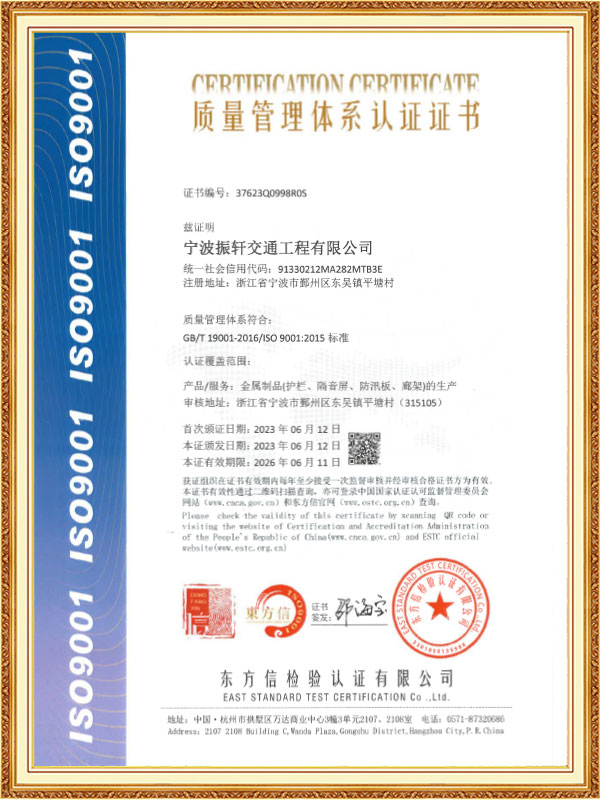
Our company has a rigorous quality control system, and all noise barrier products undergo multiple tests to ensure they meet high performance standards. From product design, production, to installation and maintenance, Zhenhao adheres to the philosophy that "quality is the life of enterprise development," dedicating ourselves to providing customers with high-quality products and services.
What Are the Design Standards for Community Noise Barriers?
1. Noise Barrier Design Goals
The primary goal of designing a noise barrier is to reduce noise transmission, improve community environments, and ensure safety and aesthetics. When designing, factors such as effective noise source blockage, minimizing noise reflection, and ensuring the barrier's durability, stability, and wind resistance are taken into account. Ningbo Zhenhao Traffic Engineering Co., Ltd. strictly adheres to national standards in the design of noise barriers, utilizing advanced computer-aided design (CAD, CATIA) technology to ensure the solution meets the noise control requirements in various environments.
2. Material Selection for Noise Barriers
The material used in noise barriers directly impacts their effectiveness, durability, and maintenance costs. Common materials for noise barriers include:
In material selection, Zhenhao follows national standards and offers customized materials and design solutions according to different project needs, ensuring optimal noise control performance for each project.
3. Height and Thickness of Noise Barriers
The height and thickness of a noise barrier are critical to its performance. The height of the barrier needs to be determined based on the noise source's intensity, distance, and environmental conditions. In general, noise barriers range from 3 to 6 meters in height. In areas next to highways or railroads, the height may need to be higher to ensure maximum noise reduction.
4. Acoustic Performance of Noise Barriers
The acoustic performance of noise barriers is a key factor in their design. Acoustic performance is typically measured by sound attenuation and noise reduction. Sound attenuation refers to the reduction of sound intensity, while noise reduction indicates the decrease in noise levels.
To ensure the best acoustic performance, Zhenhao uses a variety of innovative acoustic treatment technologies in the design of noise barriers. For example, to address both high-frequency and low-frequency noises, we use materials with excellent sound absorption properties such as glass wool and mineral wool to enhance the barrier’s sound attenuation capability. Additionally, we incorporate a multi-layer structure design for noise barriers, combining sound absorption layers with soundproof layers to improve overall performance.
5. Wind Resistance and Safety
Noise barriers are often installed in areas with heavy traffic, and they need to withstand strong winds, vibrations, and other external forces. Therefore, the design of noise barriers must take into account their wind resistance and structural stability. Zhenhao noise barriers are made from high-strength steel and concrete materials to ensure stability under high wind conditions. In coastal or windy regions, our barrier designs offer enhanced wind resistance, ensuring that they can withstand the impact of strong winds and avoid damage or collapse.
6. Aesthetics and Environmental Integration
As urban landscapes become increasingly important, noise barriers must not only be functional but also blend harmoniously with the surrounding environment. Zhenhao pays special attention to the aesthetic design of noise barriers, ensuring that they align with the local landscape. We offer a range of color options and surface treatments, allowing customization of the appearance to suit customer needs, ensuring that the noise barrier meets both functional and visual requirements. Furthermore, we integrate eco-friendly design concepts, providing green noise barrier solutions with vegetation to create a more pleasing aesthetic and environmentally friendly outcome.
7. Installation and Maintenance Standards
The design of noise barriers also considers ease of installation and maintenance. Zhenhao adopts a modular design for our noise barriers, making installation faster and more cost-effective. Our products undergo rigorous quality testing to ensure long-term stability, reducing the frequency of maintenance.
How Do the Height and Thickness of Community Noise Barriers Affect Their Effectiveness?
1. Height and Noise Attenuation of Noise Barriers
The height of a noise barrier directly influences its ability to attenuate noise. Noise travels in the form of sound waves, typically in a straight path, but when it encounters an obstacle like a noise barrier, it is either reflected, absorbed, or deflected around the barrier. Thus, the height of a noise barrier must be sufficient to block the sound wave's path from the source.
- Low Height Barriers Have Limited Effectiveness
If the barrier is too short, it may not effectively block the sound propagation. Barriers lower than the noise source may only partially reflect the sound without fully blocking the noise. Typically, a minimum height of 2-3 meters is required near highways or busy roads to ensure that most of the low-frequency noise is blocked. However, high-frequency noise propagation requires taller barriers, especially when there is a significant height difference between the noise source and the receptor.
- Optimal Height Can Significantly Reduce Noise
Generally, barriers in the range of 4 to 6 meters high are most effective at reducing noise, particularly in areas with heavy traffic, railways, or industrial zones. Taller barriers not only reflect the noise but also reduce sound reflections with the use of sound-absorbing materials. Zhenhao designs its noise barriers with optimal heights tailored to various environments to ensure maximum noise reduction.
- Extremely Tall Barriers in Special Applications
In specific areas, such as residential zones near high-speed railways, airports, or industrial districts, noise barriers may need to exceed 8 meters in height. Zhenhao offers customized design solutions that meet these height requirements, ensuring effective noise control.
2. Thickness of Noise Barriers and Soundproofing Effect
The thickness of a noise barrier plays a critical role in its ability to block sound. The thicker the barrier, the more sound energy it can absorb or reflect, thus reducing noise transmission. The thickness of the barrier has a significant impact, especially in controlling low-frequency noise.
- Thin Barriers Offer Limited Soundproofing
Lightweight noise barriers, particularly those made from composite materials like PVC or fiberglass, are easy to install but may not provide strong soundproofing capabilities. These barriers may be effective at reducing high-frequency noise but less effective at isolating low-frequency noise. In areas with severe traffic noise, thinner barriers may not offer adequate noise reduction, so the design must ensure the thickness meets certain standards.
- Moderate Thickness Improves Acoustic Performance
Zhenhao noise barriers typically use robust materials such as concrete, steel, or aluminum, which not only block noise but also offer durability and resistance to the elements. For areas requiring higher noise reduction, we often recommend barriers with greater thickness, especially in locations closer to the noise source. Depending on the frequency characteristics of the noise, Zhenhao offers customized designs to ensure that the barrier's thickness maximizes sound absorption and reflection.
- Multi-Layered Barrier Structures
For highly efficient noise barriers, thickness is not only increased through thicker single materials but also achieved by incorporating multiple layers. Zhenhao further enhances the noise attenuation capabilities of its barriers with multi-layer designs, combining materials with different acoustic properties. For example, we may use a metal exterior to reflect noise and an internal layer of sound-absorbing materials like mineral wool or fiberglass to reduce sound energy, achieving multi-dimensional noise suppression.
3. Coordinated Design of Barrier Height and Thickness
Although the height and thickness of a noise barrier are crucial, they do not act in isolation. In practical design, Zhenhao carefully balances height and thickness based on environmental analysis, noise source characteristics, and client needs. For instance, in urban settings, taller and thicker barriers may be necessary to address high-intensity traffic noise. In rural or ecologically sensitive areas, aesthetic and environmental considerations may require more moderate height and thickness, along with integrated greenery for visual appeal. This holistic approach ensures that the barriers not only control noise effectively but also blend well with the surroundings.
4. Zhenhao's Design Advantages
As a core product of Ningbo Zhenhao Traffic Engineering Co., Ltd., noise barriers are designed and manufactured with precision and customization in mind. The company uses advanced computer-aided design (CAD, CATIA) and automated production processes to ensure that each noise barrier meets the highest standards in terms of height, thickness, material selection, and installation. We also offer bespoke solutions to meet the unique needs of different projects and environments.
- Precise Design: Through simulation and optimization, we ensure that the height and thickness of the noise barrier are tailored to achieve the best noise attenuation results under various conditions.
- High-Quality Materials: We use top-tier materials such as concrete, steel, and aluminum to ensure both noise-blocking effectiveness and durability.
- Flexible Customization: We provide comprehensive customization services from height to thickness, ensuring each project receives the most effective noise control solution.
Why Do Community Noise Barriers Need Regular Maintenance? How Should They Be Maintained?
1. Do Community Noise Barriers Need Regular Maintenance?
Although Zhenhao's noise barriers are made from high-strength materials and are designed according to national standards, they, like any outdoor infrastructure, can be affected by environmental factors over time. Therefore, regular inspections and maintenance are required to ensure they continue performing at their best.
The Importance of Regular Maintenance is reflected in the following aspects:
2. Maintenance Tasks and Methods for Noise Barriers
Maintenance of noise barriers typically involves inspection, cleaning, and repairs. The exact tasks and methods depend on the materials used, the environment, and the conditions the barriers are exposed to. Below are some common maintenance practices:
(1) Inspection and Checking
Regular inspections are the first step in maintaining noise barriers. Maintenance staff should conduct thorough checks, particularly focusing on the following:
(2) Cleaning and Debris Removal
Noise barriers accumulate dirt, dust, leaves, and other debris, particularly in busy traffic areas or near industrial zones. Regular cleaning is crucial for maintaining the barrier.
(3) Anti-Corrosion Treatment
Noise barriers made of metal may be vulnerable to corrosion over time, especially in areas with high humidity. Regular anti-corrosion treatments are key to ensuring the longevity of metal barriers.
(4) Structural Repairs and Reinforcement
Over time, the structure of the noise barrier may be subjected to external forces, such as wind, impacts, or vibrations, leading to potential damage. Regular checks on the structural integrity are necessary.
3. Zhenhao’s Advantages in Noise Barrier Maintenance
As Ningbo Zhenhao Traffic Engineering Co., Ltd.’s core product, our noise barriers not only comply with national standards in design and manufacturing but also provide distinct advantages in terms of materials, durability, and ease of maintenance. Our products offer the following benefits:
تماس با ما
Add:شماره 577 جاده فوچیانگ، خیابان پانهو، منطقه یینژو، شهر نینگبو، استان ژجیانگ
Email: [email protected]
Telephone: +86-18058271903
Phone: +86 0571-28284189
شرکت مهندسی ترافیک Zhenxuan یک تولید کننده بزرگ حرفه ای است که مسئول طراحی، تولید و فروش مجموعه ای از ریل های محافظ، ریل های محافظ و صفحه های عایق صدا با سرعت بالا است.

+86-18058271903