
براکت خورشیدی سقف ورق فولادی رنگی
براکت فتوولتائیک سقف فولادی رنگی یک سیستم براکت...

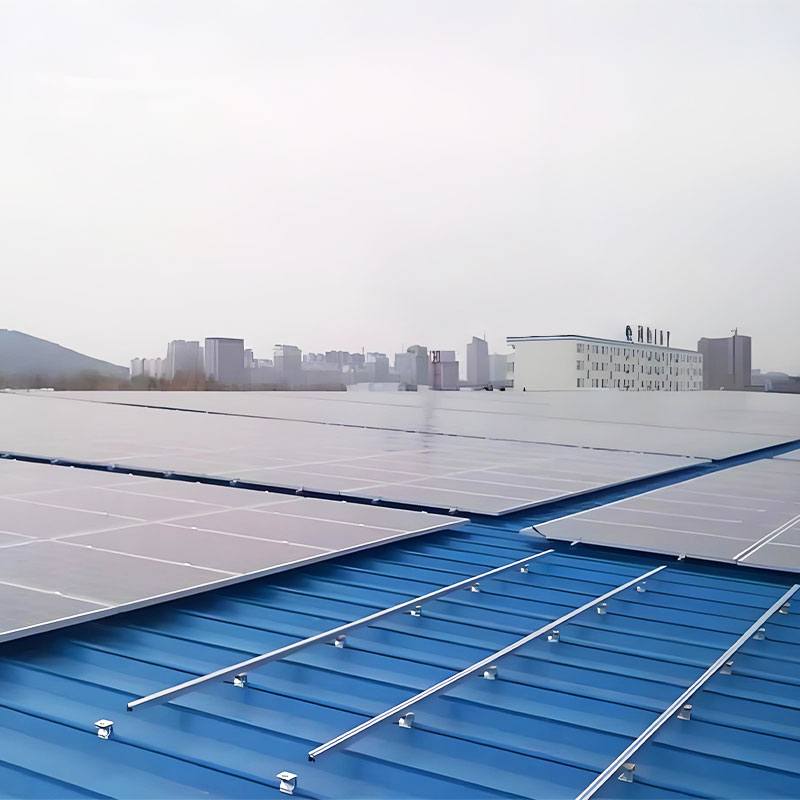
براکت فتوولتائیک سقف فولادی رنگی یک سیستم براکت...
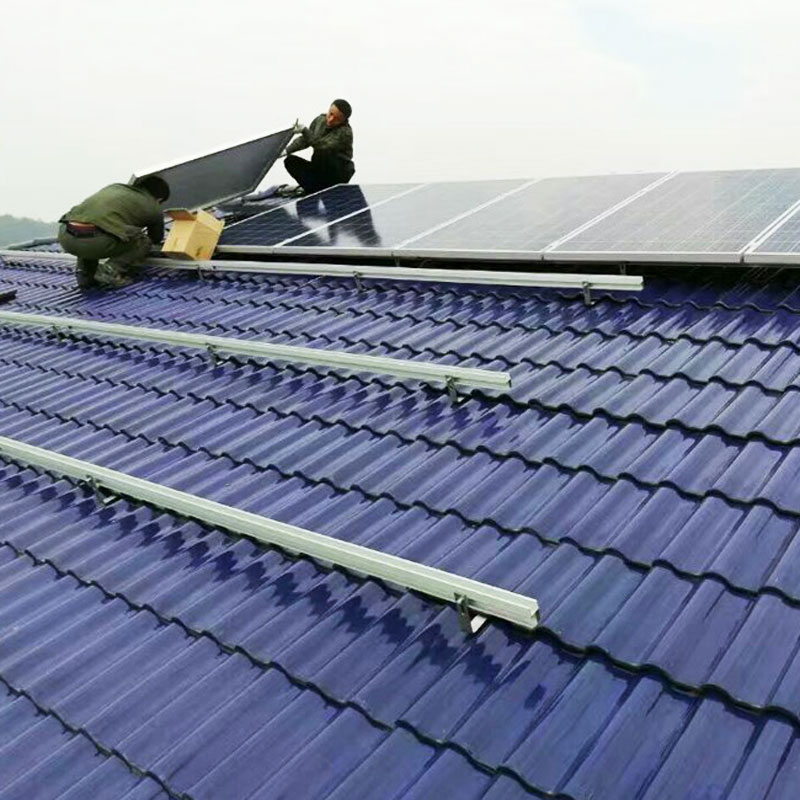
براکت فتوولتائیک سقف شیبدار (تایل سقف) یک سیستم...
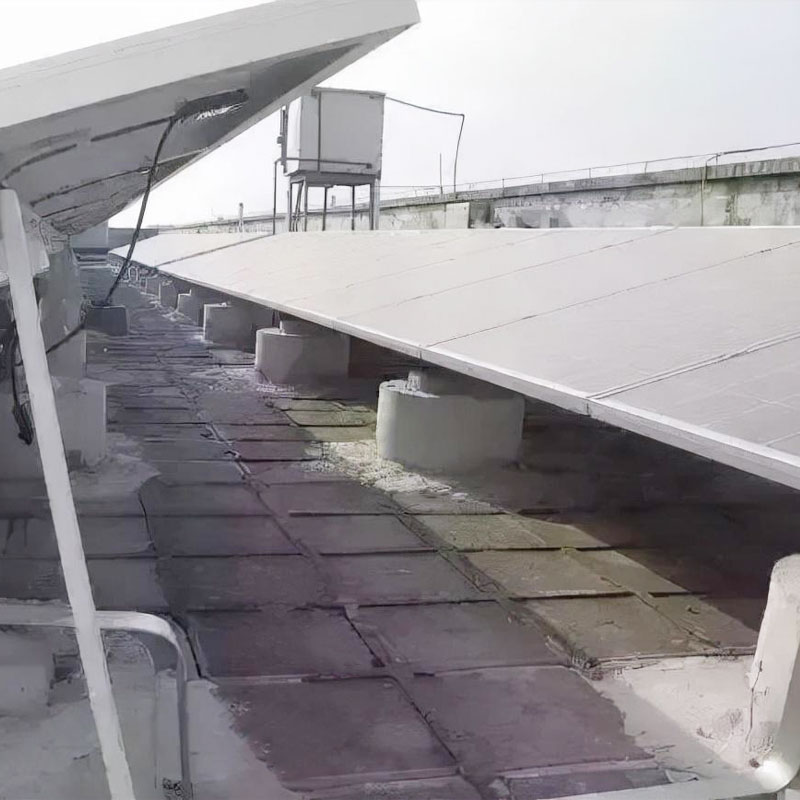
براکت خورشیدی سقف یک ساختار پشتیبانی است که برای سیستم های فتوولتائیک خورشیدی طراحی شده است. عمدتاً برای نصب محکم پنل های خورشیدی بر روی سقف استفاده می شود. عملکرد اصلی آن ارائه پشتیبانی قابل اعتماد و تنظیم زاویه برای اطمینان از دریافت نور خورشید در بهترین زاویه برای به حداکثر رساندن راندمان تولید انرژی است. براکت های خورشیدی سقفی از مواد بادوام مانند آلیاژ آلومینیوم، فولاد ضد زنگ یا فولاد گالوانیزه ساخته شده اند که دارای مقاومت عالی در برابر آب و هوا و مقاومت در برابر خوردگی هستند. آنها می توانند برای مدت طولانی در شرایط مختلف آب و هوایی به طور پایدار مورد استفاده قرار گیرند و می توانند با سازه های سقف مختلف سازگار شوند.
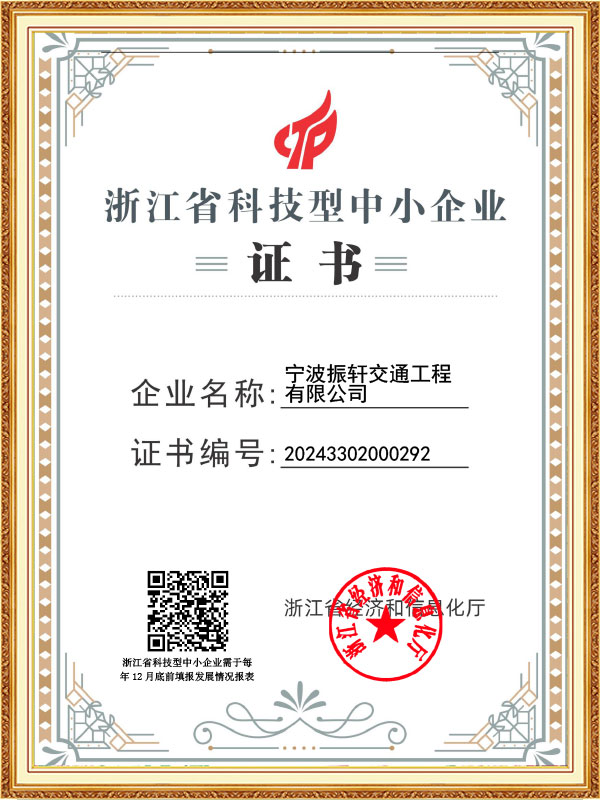
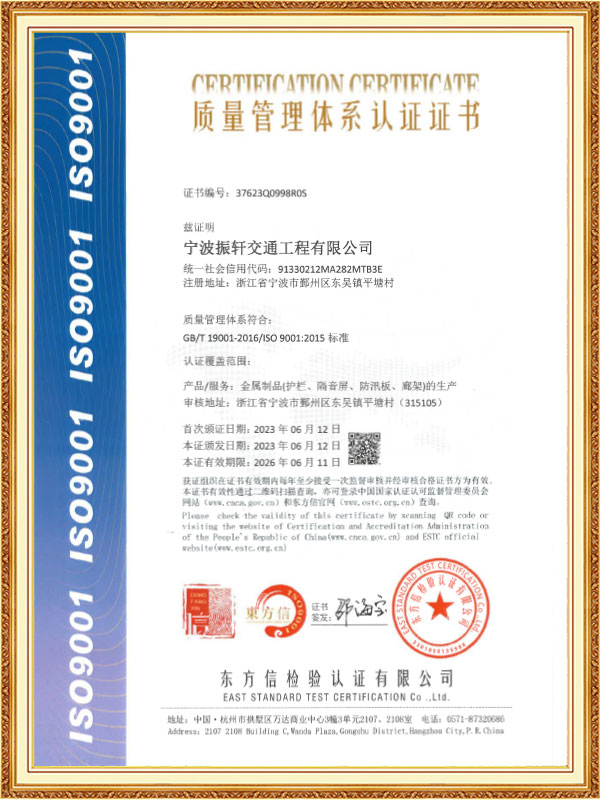
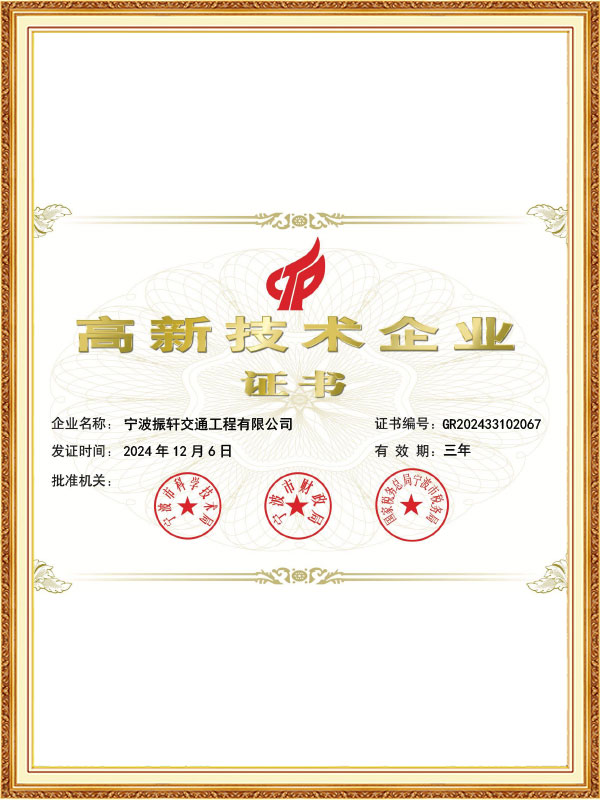
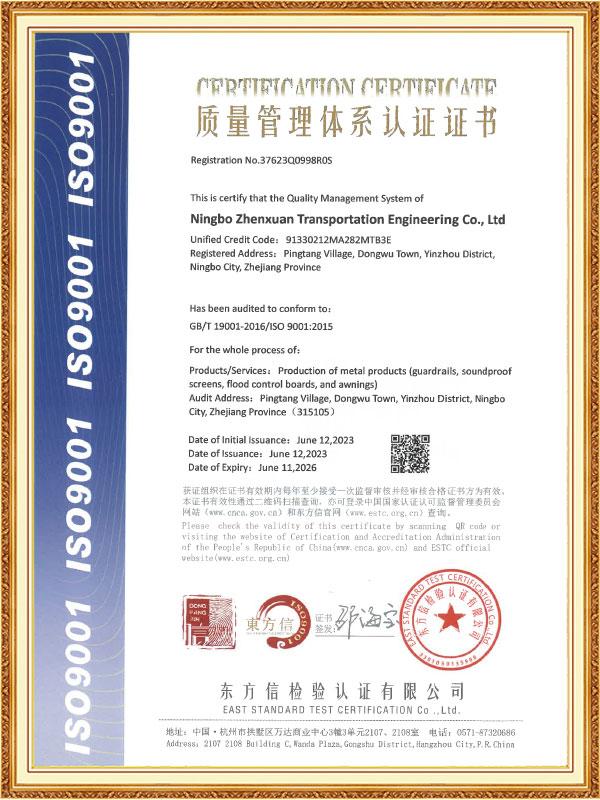
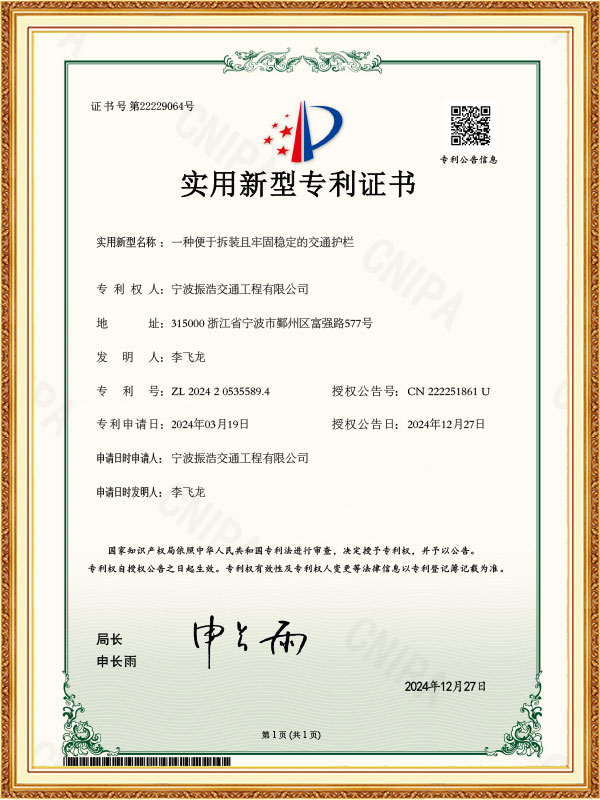
Ningbo Zhenhao Traffic Engineering Co., Ltd. یک تولید کننده بزرگ حرفه ای است که مسئول طراحی، تولید و فروش مجموعه ای از ریل های محافظ، ریل های محافظ و صفحه های عایق صدا با سرعت بالا است. این شرکت متکی به تجهیزات تولید تخته محافظ با سرعت بالا است، کیفیت تولید مطابق با استانداردهای ملی است و طراحی محصول با استفاده از سیستم ترسیم طراحی به کمک کامپیوتر CAD CATIA 2D 3D که مطابق با استانداردهای فنی ملی است، انجام می شود و در یک فرآیند تولید از روش تولید استاندارد شده کاملاً اتوماتیک، با دقت بالا و سرعت سریع استفاده می شود. تجهیزات جامع تولید، فناوری تولید پیچیده و یک سیستم آزمایشی دقیق، کیفیت محصولات ژنهائو را ثابت نگه داشته است.
مردم Zhenhao به این اصل پایبند هستند که "کیفیت زندگی توسعه شرکت است، خدمات پایه و اساس شرکت است." با هدایت اصل "تعالی، توسعه مستمر و کمال" و همگامی با زمان، طراحی و تولید، فروش و خدمات، مد و نوآوری، شخصیت و انسانیت کاملاً ادغام شدهاند، بنابراین وضعیت بازار خوشخیم با ویژگیهای ژنهائو شکل میگیرد.
سیستمهای گاردریل جادهای به کاهش شدت تصادفات بزرگراهها ادامه میدهند سیستمهای حفاظ راه، یکی از مهمترین فناوریهای ایمنی کنار جادهای هستند که در زیرساختهای حملونقل مدرن مورد استفاده قرار میگیرند. نرده های محافظ با طراحی مناسب به جلوگیری از خروج وسایل نقلیه از جاده، کاهش شدت برخورد...
READ MOREبراکتهای نصب خورشیدی قابل اعتماد برای نصب ایمن براکت های نصب خورشیدی اجزای ضروری برای نصب پنل های خورشیدی پایدار و کارآمد هستند. آنها پشتیبانی ساختاری را فراهم می کنند، زوایای بهینه را برای قرار گرفتن در معرض نور خورشید حفظ می کنند و اطمینان می دهند که پانل ها تحت ش...
READ MOREحصار محیطی سایت: کلید ایمن سازی هر گونه اموال حصار محیطی مستحکم برای حفاظت از اموال، کنترل دسترسی و جلوگیری از ورود غیرمجاز ضروری است. این به عنوان اولین خط دفاعی برای مکان های صنعتی، تجاری و مسکونی به طور یکسان عمل می کند. با نصب یک حصار قوی و برنامه ریزی شده، صاحبان املا...
READ MOREگاردریل های ترافیکی برای ایمنی جاده ها و کاهش تصادفات ضروری هستند گاردریل های ترافیکی با تغییر مسیر وسایل نقلیه و جلوگیری از خروج آنها از جاده یا برخورد با موانع خطرناک، نقش مهمی در کاهش شدت تصادف ایفا می کنند. سیستمهای حفاظی که بهدرستی طراحی و نصب شده باشند، میتوانند به میزا...
READ MOREWhat Materials Are Typically Used for Roof Solar Brackets? What Are the Advantages and Disadvantages of Each?
1. Aluminum Alloy
Aluminum alloy is one of the most commonly used materials for roof solar brackets, known for its light weight, strong corrosion resistance, and relatively high strength.
Advantages:
Disadvantages:
2. Stainless Steel
Stainless steel brackets are known for their excellent corrosion resistance and high strength, making them a popular choice for roof solar systems.
Advantages:
Disadvantages:
3. Galvanized Steel
Galvanized steel brackets are a cost-effective and strong option, commonly used in medium and small-scale solar installations.
Advantages:
Disadvantages:
4. Plastic Composite Materials
In recent years, plastic composite materials have been increasingly used in roof solar brackets, particularly for applications where weight is a critical factor.
Advantages:
Disadvantages:
5. Steel-Aluminum Composite Materials
Steel-aluminum composite materials combine the advantages of steel and aluminum alloys, providing a more cost-effective solution.
Advantages:
Disadvantages:
What Are the Installation Methods for Roof Solar Brackets and Which Ones Are Best for Different Roof Types?
1. Direct Roof Mount Installation
This installation method is typically used for roofs without tiles or waterproofing layers. The brackets are directly fixed to the roof surface, usually using expansion bolts or screws to secure the support structure. This method is most commonly applied to flat roofs or industrial buildings.
Advantages:
Disadvantages:
2. Tile Roof Mount Installation
Tile roofs are one of the most common types of roofing. When installing solar brackets on tile roofs, the tiles need to be partially removed, and the brackets are installed onto the roof’s wooden rafters or concrete foundation before the tiles are replaced.
Advantages:
Disadvantages:
3. Flat Roof Mount Installation
Flat roofs are commonly found in commercial and industrial buildings. For flat roofs, solar brackets can be installed using either a fixed bracket method or a "ballasted" method, where the brackets are secured using weighted blocks, eliminating the need for drilling holes.
Advantages:
Disadvantages:
4. Pitched Roof Mount Installation
Pitched roofs are the most common type found in residential buildings. Solar brackets are installed to match the angle of the roof, optimizing the solar panels' orientation to maximize sunlight absorption.
Advantages:
Disadvantages:
5. Non-Penetrating Mount Installation
Non-penetrating installation is a growing trend, especially for roofs that owners do not want to damage. This method uses weighted blocks or specialized brackets to secure the solar panels without drilling into the roof.
Advantages:
Disadvantages:
6. Ballasted Mount Installation
Ballasted mounting systems use large concrete blocks or other weighted materials to anchor solar panels to flat roofs. This system doesn’t require drilling, ensuring the roof’s waterproof layer remains intact.
Advantages:
Disadvantages:
Ningbo Zhenhao Traffic Engineering Co., Ltd.'s Advantages
As a manufacturer specializing in the production of guardrails, soundproofing barriers, and protective barriers, Ningbo Zhenhao Traffic Engineering Co., Ltd. brings extensive technical experience and state-of-the-art production equipment to the design and manufacture of high-quality roof solar brackets. We utilize advanced CAD CATIA 2D 3D design systems to ensure precise and customized solutions for various roof types, whether flat, pitched, or tiled.
Our solar brackets are made from carefully selected materials that meet national standards for corrosion resistance, wind resistance, and durability. With our automated, standardized production process, we ensure that every product meets the highest standards of quality and performance.
At Zhenhao, we adhere to the principle that "quality is the life of enterprise development, service is the foundation of enterprise." We are committed to providing the best solar bracket solutions to clients around the world, helping to promote the widespread adoption of clean, renewable energy.
How Can You Avoid Damaging Your Roof During the Installation of Roof Solar Brackets?
1. Choosing the Right Bracket Material
When installing solar brackets on your roof, selecting the appropriate material is crucial. Different materials have different weights, strengths, and installation methods, so it’s important to choose one that suits the type and structure of the roof.
In Ningbo Zhenhao Traffic Engineering Co., Ltd.'s products, all bracket materials are carefully selected to ensure they provide sufficient support while minimizing the load on the roof, thus avoiding any potential damage.
2. Using Non-Penetrating Mounting Methods
Traditional roof solar bracket installations often require drilling holes into the roof, which can damage the waterproofing layer or cause water leakage. However, the non-penetrating mounting method can completely avoid this issue.
In Ningbo Zhenhao Traffic Engineering Co., Ltd., we use this non-penetrating mounting method in many of our designs to maximize roof protection and prevent any damage during installation.
3. Precise Bracket Placement and Reducing Load Pressure
Precise bracket placement is critical when installing solar systems on roofs. Improper placement can lead to uneven load distribution, which may cause structural damage to the roof.
4. Protecting the Roof’s Waterproofing Layer
The roof’s waterproofing layer is critical to preventing leaks, so special care should be taken to avoid damaging it during installation. Below are common methods to protect the waterproof layer:
In Ningbo Zhenhao Traffic Engineering Co., Ltd., we pay special attention to the details during the installation process, using high-quality waterproof materials and techniques to ensure that the roof’s waterproofing layer remains intact.
5. Adapting to Different Roof Structures to Minimize Damage Risk
Different types of roofs require different installation techniques. Ningbo Zhenhao Traffic Engineering Co., Ltd. provides customized solutions for various roof structures, ensuring that the installation doesn’t cause any damage to the roof.
6. Avoiding Over-Tightening and Poor Construction Practices
Over-tightening brackets during installation can apply unnecessary pressure to the roof, potentially causing damage. Therefore, it is essential for the installation team to adjust the bracket tightness according to the design standards and the roof material to prevent excessive tightening.
The installation team at Ningbo Zhenhao Traffic Engineering Co., Ltd. is highly trained and experienced, ensuring that each detail is carefully controlled during the installation process to minimize the risk of damage caused by improper construction practices.
How to Maintain and Service Roof Solar Brackets for Long-Term Stability?
1. Regularly Inspect the Structural Integrity of the Brackets
Solar brackets are the core support components for roof-mounted solar panels, and ensuring their structural integrity is essential to prevent any risk of panel tilt, damage, or system failure. Regularly checking the structural stability of the brackets is fundamental for the system's long-term reliability.
- Check Bolts and Fasteners: Over time, bolts, nuts, and other fasteners on the brackets may loosen. It is essential to regularly check these components to ensure they are tightly secured and do not loosen, affecting the stability of the brackets.
- Inspect Corrosion: Solar brackets, especially those installed in damp or coastal areas, may be subject to corrosion. For brackets made of aluminum, stainless steel, or galvanized steel, inspect them regularly for signs of rust or corrosion. If corrosion is found, repair or replace the parts as needed.
The solar brackets produced by Ningbo Zhenhao Traffic Engineering Co., Ltd. are made from high-quality materials, ensuring strong corrosion resistance and durability, which reduces the difficulty of maintenance. However, regular inspections are still recommended to keep the brackets in good condition.
2. Clean the Brackets and Panels
The cleanliness of solar panels directly affects the system’s efficiency, and the cleanliness of the brackets is equally important. Dust, leaves, dirt, or other debris on the solar brackets may obstruct the installation of the panels or block sunlight. Therefore, regularly cleaning the surface of the brackets and installation points helps maintain the stability of the brackets and the efficiency of the system.
- Clean the Surface of the Brackets: Use a soft cloth or brush to clean the surface of the brackets. Avoid using hard objects that might scratch the surface, as this could damage the coating or finish. In coastal or industrial environments, salt or acidic substances might accumulate on the brackets and should be cleaned regularly.
- Clean the Panels: When cleaning solar panels, avoid using strong acids or alkaline cleaners, as these could corrode the panels. Instead, use mild soap water and a soft cloth to clean the panels.
The solar brackets provided by Ningbo Zhenhao Traffic Engineering Co., Ltd. are designed for easy cleaning and maintenance, minimizing dust and debris accumulation, making upkeep more manageable.
3. Check the Mounting Angle and Tilt
The tilt angle of the brackets directly impacts the solar panels' energy production efficiency. Over time, due to environmental changes or temperature fluctuations, the brackets may shift or deform slightly. Regularly checking the mounting angle ensures the brackets remain at the optimal tilt to maximize sunlight absorption and improve system efficiency.
- Check the Tilt Angle: Measure the angle between the bracket and the horizontal surface to ensure the solar panels are always positioned at the optimal angle for sunlight absorption.
- Adjust the Brackets: If the brackets are found to be misaligned or tilted, they should be adjusted back to their optimal position. This is especially important after extreme weather conditions like strong winds or earthquakes, which may affect the alignment.
The solar brackets from Ningbo Zhenhao Traffic Engineering Co., Ltd. are engineered to maintain a stable tilt angle and are designed to resist external environmental factors, ensuring the long-term efficient operation of the solar system.
4. Inspect the Roof’s Waterproofing
When installing solar brackets, it is crucial not to damage the roof’s waterproofing layer. If the bracket installation points or fastener locations are not properly handled, water may seep into the roof, causing leaks or structural damage. Regularly inspecting the roof’s waterproofing, particularly after extreme weather, is critical to ensuring that no damage occurs.
- Check the Waterproofing Layer: Inspect the waterproofing layer at the points where the brackets are mounted to ensure there are no leaks. During installation, ensure that all contact points are sealed with waterproof materials to prevent moisture from penetrating the roof.
- Check for Roof Leaks: If leaks are detected, examine the bracket installation points to ensure that the waterproof layer was not compromised during installation, and repair the issues promptly.
Ningbo Zhenhao Traffic Engineering Co., Ltd. focuses on detail-oriented design, ensuring that high-quality waterproof materials and sealing techniques are used in the bracket design and installation process, preventing any damage to the roof’s waterproofing layer.
5. Maintenance for Extreme Weather Conditions
Extreme weather conditions, such as storms, high winds, and heavy snowfall, can impact roof solar brackets. Therefore, preventive checks should be made before extreme weather conditions arrive, ensuring that the brackets can withstand strong winds, heavy rain, and accumulated snow.
- Wind and Seismic Resistance: For regions prone to high winds, it is essential to consider the wind resistance capacity of the solar brackets. The solar brackets designed by Ningbo Zhenhao Traffic Engineering Co., Ltd. are specially engineered to withstand strong winds and vibrations, ensuring stability even under extreme conditions.
- Snow Removal: In areas prone to snow accumulation, regular snow removal from the brackets is necessary to prevent excessive weight from placing undue stress on the system, potentially causing damage. Ensure that snow and ice are cleared from the panels to maintain optimal performance.
6. Replace and Update Components
Over time, certain components of the brackets may experience aging, corrosion, or wear and tear. Regularly inspecting all parts of the brackets and replacing or updating them when necessary is crucial for ensuring the solar system’s long-term performance.
- Replace Worn Components: Regularly check for worn-out or damaged parts and replace them as necessary. This will help maintain the structural integrity of the system.
- Reapply Protective Coatings: If the protective coating on the brackets has been worn down, consider reapplying it to preserve their durability and corrosion resistance.
Ningbo Zhenhao Traffic Engineering Co., Ltd. uses durable and corrosion-resistant materials in the design and manufacturing of solar brackets, ensuring that they remain effective over the long term, reducing the frequency of maintenance and replacements.
تماس با ما
Add:شماره 577 جاده فوچیانگ، خیابان پانهو، منطقه یینژو، شهر نینگبو، استان ژجیانگ
Email: [email protected]
Telephone: +86-18058271903
Phone: +86 0571-28284189
شرکت مهندسی ترافیک Zhenxuan یک تولید کننده بزرگ حرفه ای است که مسئول طراحی، تولید و فروش مجموعه ای از ریل های محافظ، ریل های محافظ و صفحه های عایق صدا با سرعت بالا است.

+86-18058271903